
Irpinian white wines: guide to Greco di Tufo DOCG and Fiano di Avellino DOCG
Irpinian white wines are among the most authoritative expressions of Campanian wine. They originate in the province of Avellino, in an area made of hills, significant altitudes, complex soils and temperature variations that help white grapes develop clear aromas, lively acidity and a surprising ability to evolve over time.
When talking about white wines from Irpinia, two names dominate the scene: Greco di Tufo DOCG and Fiano di Avellino DOCG. They are different wines in character, structure and style, but they share the same territorial identity: elegance, mineral tension, aromatic depth and a very recognisable personality in the glass.
In this Alberoshop.it guide, you will find a complete overview of Irpinian white wines: what they are, where they come from, what differences exist between Greco di Tufo and Fiano di Avellino, how to pair them, at what temperature to serve them and how to choose the right bottle according to the occasion.
If you love elegant, savoury and territorial white wines, Irpinia is one of the Italian areas worth knowing better: Greco di Tufo and Fiano di Avellino offer two different, yet equally deep, interpretations of white Campania.
What are Irpinian white wines?
Irpinian white wines are wines produced in the Irpinia area, a historic territory in the province of Avellino, Campania. This area is known above all for three major denominations: Fiano di Avellino DOCG, Greco di Tufo DOCG and Taurasi DOCG, the latter dedicated to red wines made from Aglianico.
As far as whites are concerned, Greco and Fiano represent two native grape varieties of great value. They are wines suited both to young consumption, when they express freshness, citrus, flowers and minerality, and to slower evolution, especially in the more structured or riserva interpretations.
The strength of Irpinian whites lies in the territory. Altitude, volcanic and calcareous-clay soils, hillside exposures and day-night temperature variations help create tense, savoury and long-lived white wines, very different from simply fresh and immediate whites.
Why Irpinia is a special territory for white wines
Irpinia is one of the most interesting areas of Southern Italy for the production of quality white wines. Here Campania changes face: not only sea, sun and Mediterranean character, but inland hills, slower harvests, ventilation, complex soils and strong temperature differences between day and night.
These conditions allow white grapes to preserve acidity and develop defined aromas. The result is wines capable of combining freshness and structure, precision and depth, immediacy and ageing potential.
The key characteristics of the Irpinian territory
- Altitude: helps preserve acidity, freshness and taste tension.
- Temperature variations: encourage clearer aromas and balanced ripening.
- Complex soils: with volcanic, clay and limestone components, influencing savouriness.
- Native grape varieties: Greco and Fiano have a strong local identity.
- Gastronomic style: these are wines designed for the table, not only for aperitif.
Greco di Tufo DOCG: the most vertical and mineral Irpinian white
Greco di Tufo DOCG is one of the most recognisable Campanian white wines. It is produced mainly from Greco grapes and takes its name from the town of Tufo, one of the most representative centres of the denomination.
In the glass, Greco di Tufo stands out for its tense, savoury and mineral profile. It is often more direct and vertical than Fiano di Avellino: less soft, more incisive, with a sensation of freshness and depth that makes it ideal for those who love decisive and gastronomic whites.
Organoleptic profile of Greco di Tufo DOCG
- Colour: straw yellow, sometimes with golden reflections in more evolved versions.
- Aromas: citrus, apple, pear, white flowers, herbs, mineral notes and saline nuances.
- Taste: dry, fresh, savoury, vertical, with good structure and a persistent finish.
- Style: energetic, mineral, gastronomic, suitable also for flavourful pairings.
When to choose Greco di Tufo
Choose Greco di Tufo if you are looking for a sharper, savoury and more vertical Irpinian white. It is perfect when you want a white wine with character, capable of supporting intense seafood dishes, fried foods, fresh cheeses, flavourful first courses and recipes with a good fatty component.
Greco di Tufo DOCG is the Irpinian white to choose when you want freshness, savouriness and a clear mineral drive. Perfect for those who love dry, gastronomic white wines with great personality.
Fiano di Avellino DOCG: elegance, depth and longevity
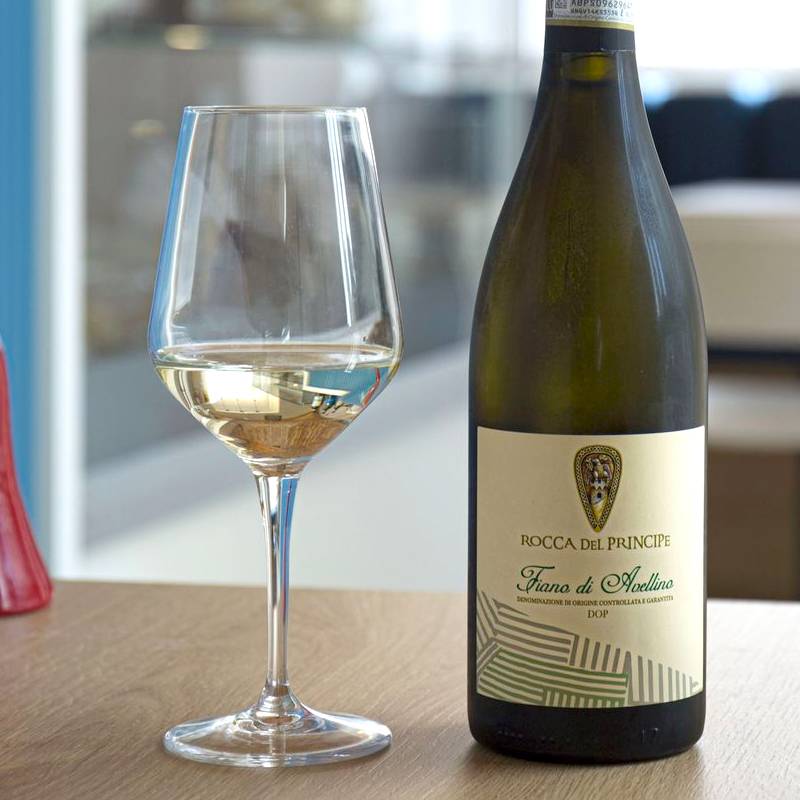
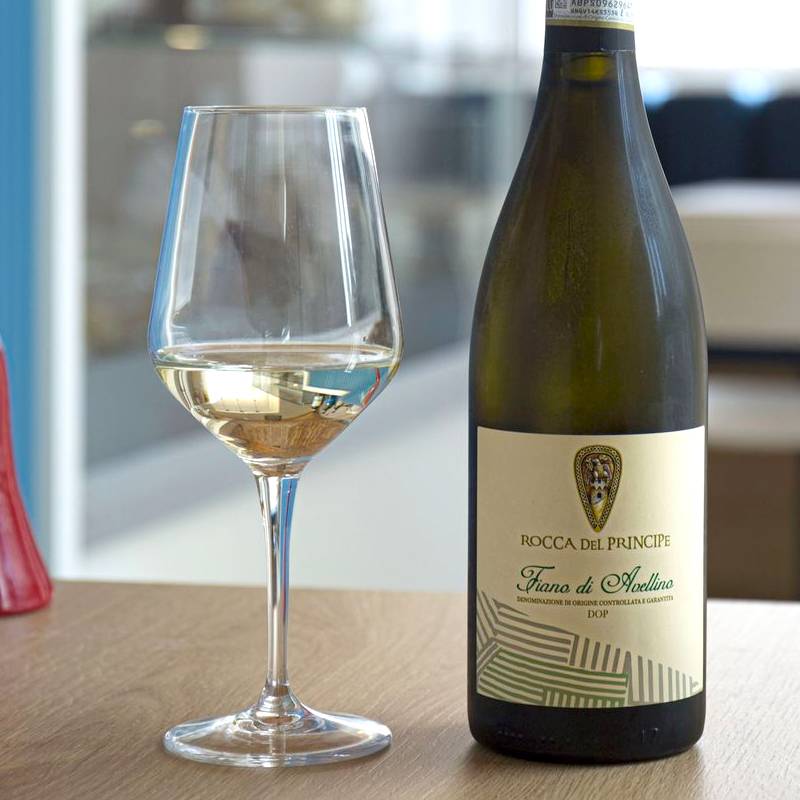
Fiano di Avellino DOCG is the most elegant and multifaceted Irpinian white. It is made from Fiano grapes and stands out for a broader, more refined and progressive aromatic profile than Greco di Tufo.
Fiano is a wine that does not rely only on immediacy. In the best interpretations, it can evolve over time, developing notes of dried fruit, honey, aromatic herbs, dried flowers, flint and smoky nuances. It is one of the most interesting Italian whites for those seeking complexity and ageing capacity.
Organoleptic profile of Fiano di Avellino DOCG
- Colour: straw yellow, with possible golden reflections as it evolves.
- Aromas: white flowers, yellow fruit, hazelnut, aromatic herbs, light honey and minerality.
- Taste: dry, elegant, fresh, savoury, with structure and a long finish.
- Style: refined, deep, more enveloping than Greco di Tufo.
When to choose Fiano di Avellino
Choose Fiano di Avellino if you are looking for an elegant, complex Campanian white capable of accompanying more elaborate dishes. It is suited to those who love dry but non-obvious white wines, with a deeper aromatic component and great versatility at the table.
Fiano di Avellino DOCG is the Irpinian white of elegance: deep, savoury, complex, perfect for those looking for a wine capable of evolving and accompanying cuisine with great balance.
Greco di Tufo and Fiano di Avellino: main differences
Greco di Tufo and Fiano di Avellino are both great Irpinian DOCG white wines, but they are not interchangeable. Greco tends to be more mineral, savoury and direct. Fiano is more elegant, aromatically complex and often longer-lived.
| Characteristic | Greco di Tufo DOCG | Fiano di Avellino DOCG |
|---|---|---|
| Style | Vertical, savoury, mineral | Elegant, deep, complex |
| Aromatic profile | Citrus, white fruit, flowers, mineral notes | Flowers, yellow fruit, hazelnut, honey, aromatic herbs |
| Taste | Fresh, dry, tense, persistent | Fresh, savoury, more enveloping and articulated |
| When to choose it | For flavourful dishes, raw seafood, fried foods, mineral and saline cuisine | For structured fish, first courses, white meats, cheeses and elegant cuisine |
| Useful keywords | Greco di Tufo DOCG, mineral white wine, savoury Irpinian white | Fiano di Avellino DOCG, elegant Campanian white wine, long-lived Irpinian white |
Which Irpinian white wine to choose based on taste
If you love dry and mineral whites
Go for Greco di Tufo DOCG. It is the right wine if you are looking for freshness, savouriness and a vertical structure. It works very well with iodine-rich dishes, shellfish, molluscs, fried foods and flavourful Mediterranean cuisine.
If you love elegant and complex whites
Choose Fiano di Avellino DOCG. It is broader and more progressive, with aromas that can evolve towards notes of hazelnut, honey, aromatic herbs and light smoky nuances.
If you are looking for a white wine for aperitif
Both can work, but Greco di Tufo is often more immediate if you want a dry, fresh and vertical aperitif. Fiano is more suitable if the aperitif includes cheeses, richer finger food or warm preparations.
If you are looking for a white wine for an important dinner
Fiano di Avellino DOCG is often the more elegant choice, especially with structured dishes. Greco di Tufo, on the other hand, is perfect when the menu has a strong marine, saline or Mediterranean character.
Pairings with Greco di Tufo DOCG
Greco di Tufo is a table wine in the highest sense of the term: it has enough energy, acidity and savouriness to cleanse the palate and support even intense dishes.
- Fish and seafood: raw seafood, oysters, prawns, tartare, squid, octopus, salted cod.
- Fried foods: mixed small fried fish, vegetable tempura, fried anchovies.
- First courses: spaghetti with clams, seafood linguine, pasta with anchovy sauce.
- Cheeses: fresh cheeses, goat cheeses, buffalo mozzarella, salted ricotta.
- Vegetable cuisine: grilled vegetables, artichokes, asparagus, zucchini alla scapece.
Pairings with Fiano di Avellino DOCG
Fiano di Avellino has a more enveloping structure and an aromatic depth that makes it very versatile. It can accompany both seafood dishes and more complex preparations.
- Structured fish: baked sea bream, sea bass, seared tuna, swordfish.
- First courses: risottos, pasta with shellfish, gnocchi with vegetables, dishes with mushrooms.
- White meats: lemon chicken, turkey, rabbit, vitello tonnato.
- Cheeses: semi-aged cheeses, young provolone, fresh caciocavallo.
- Campanian cuisine: buffalo mozzarella, anchovies, escarole, savoury pies and vegetable dishes.
For a seafood dinner, choose Greco di Tufo if you want tension and savouriness; choose Fiano di Avellino if the dish is richer, creamier or aromatically complex.
Serving temperature and ideal glass
Irpinian white wines should be served fresh, but not ice-cold. A temperature that is too low blocks aromas and makes the wine simpler than it really is. A temperature that is too high, on the other hand, can make alcohol emerge excessively and weigh down the drink.
Recommended temperature
- Young Greco di Tufo DOCG: around 8-10 °C.
- Young Fiano di Avellino DOCG: around 9-11 °C.
- Fiano di Avellino Riserva or evolved versions: around 10-12 °C.
- More structured Irpinian whites: better not to serve them too cold, to avoid compressing the aromas.
Recommended glass
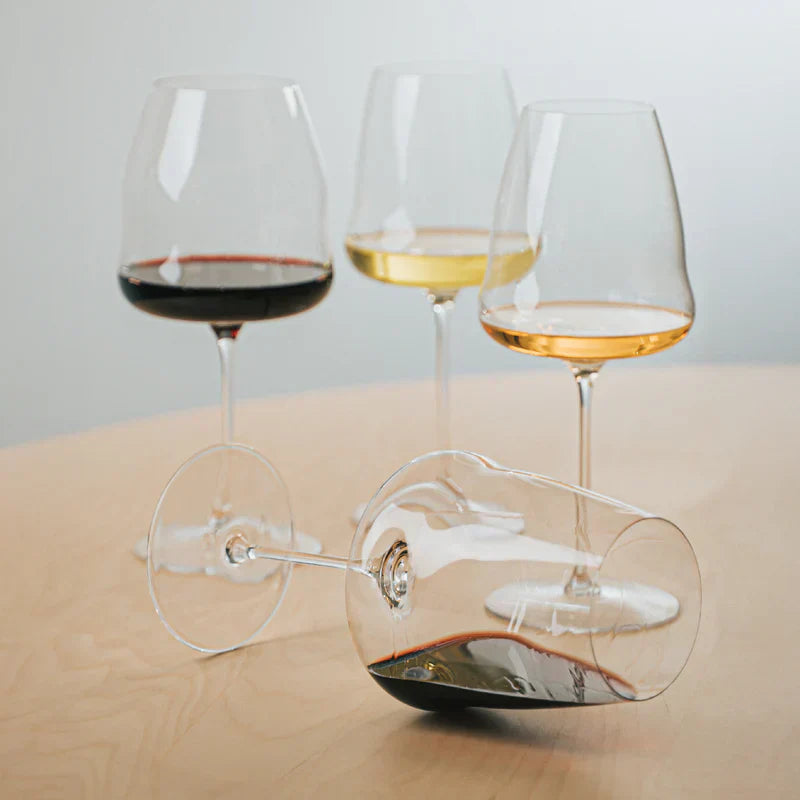
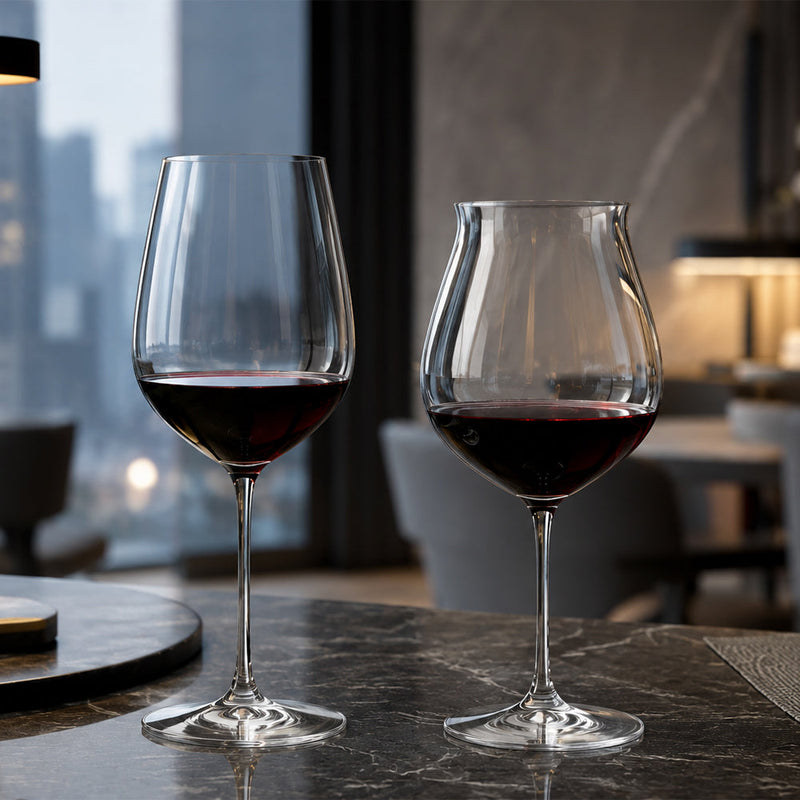
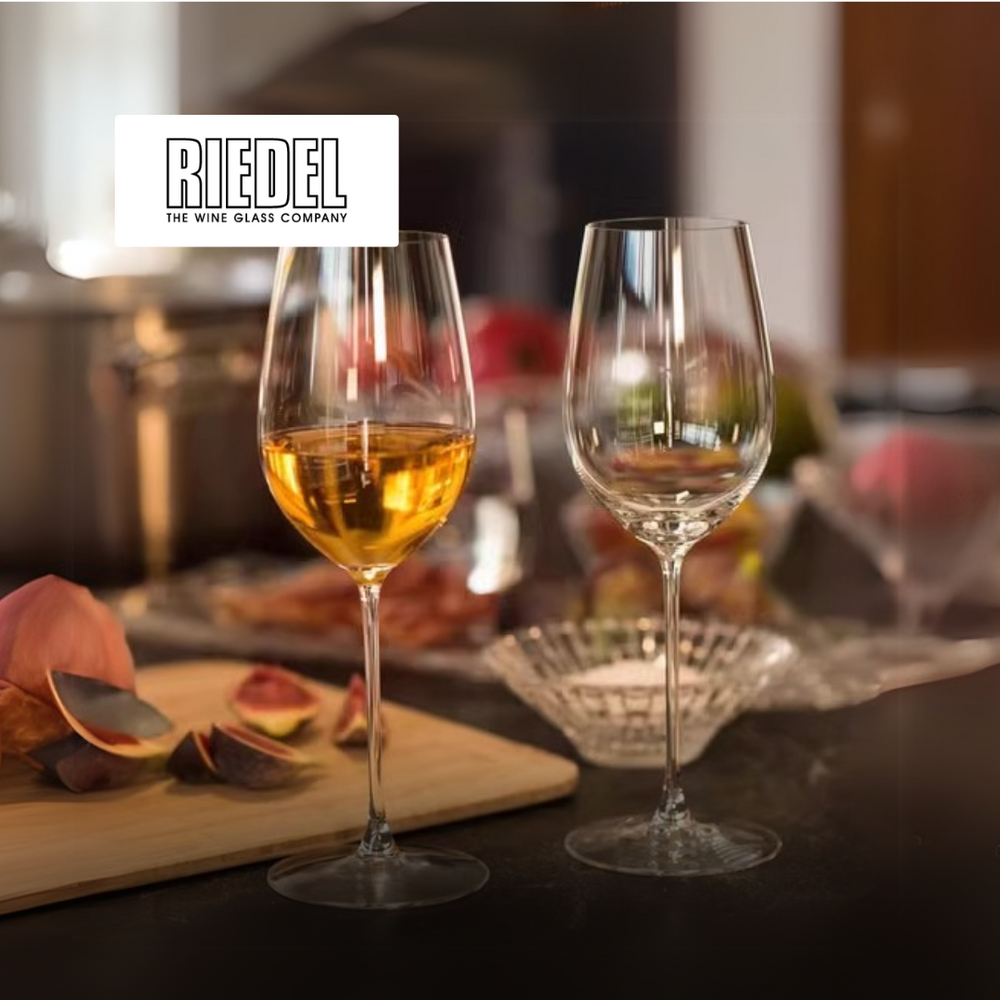
For Greco di Tufo and Fiano di Avellino, a white wine glass of good width is preferable, not too small. The glass should allow the wine to open, without dispersing aromas and freshness.
Vintages, search and choice: what to know in 2026
Those who search online for “Greco di Tufo DOCG 2024”, “Fiano di Avellino DOCG 2024”, “Greco di Tufo price” or “best Fiano di Avellino” often want to understand two things: which bottle to choose and whether the available vintage is suitable for immediate consumption.
In 2026, many Campanian white bottles on the market may belong to recent vintages, such as 2024 or 2025, but the choice should not be based only on the year. For Irpinian whites, producer, style, area, structure and intended use matter. A young Greco can be perfect for those looking for immediate freshness; a more structured Fiano can offer greater complexity even after a few years in bottle.
Useful queries to consider when choosing
- Greco di Tufo DOCG pairings: useful if you start from the menu.
- Fiano di Avellino DOCG serving temperature: useful before a dinner.
- Greco di Tufo or Fiano differences: useful if you want to compare the two wines.
- Irpinian white wines Campania: useful to explore the whole category.
- Fiano di Avellino Riserva: useful if you are looking for a more evolved or important bottle.
How to store Irpinian white wines
Greco di Tufo and Fiano di Avellino should be stored away from light, heat and temperature changes. Even though they are white wines, they should not remain for months in a domestic refrigerator: it is better to store them in a cool and stable place, bringing them to serving temperature only before consumption.
- Store bottles away from heat sources.
- Avoid direct exposure to light.
- Do not leave the wine in the refrigerator for long periods.
- Cool the bottle gradually before serving.
- For more important bottles, consider a wine cooler.
Frequently asked questions about Irpinian white wines
What are the main Irpinian white wines?
The main Irpinian white wines are Greco di Tufo DOCG and Fiano di Avellino DOCG. Both originate in the province of Avellino, Campania, and represent two of the most important white denominations in Southern Italy.
What is the difference between Greco di Tufo and Fiano di Avellino?
Greco di Tufo is generally more vertical, savoury and mineral. Fiano di Avellino is more elegant, complex and enveloping, with greater predisposition to evolve over time.
Is Greco di Tufo a dry wine?
Yes, Greco di Tufo DOCG is generally a dry, fresh, savoury and mineral white wine. It is highly appreciated for its ability to accompany seafood dishes and Mediterranean cuisine.
Can Fiano di Avellino age?
Yes, Fiano di Avellino is one of the most interesting Italian white wines for ageing capacity. The more structured versions can develop notes of hazelnut, honey, aromatic herbs and more complex minerality over time.
What does Greco di Tufo pair with?
Greco di Tufo pairs well with raw seafood, molluscs, shellfish, fried foods, spaghetti with clams, salted cod, buffalo mozzarella and fresh cheeses.
What does Fiano di Avellino pair with?
Fiano di Avellino pairs with baked fish, first courses with shellfish, white meats, semi-aged cheeses, vegetables and more structured Mediterranean dishes.
Which glass should be used for Greco di Tufo and Fiano di Avellino?
A medium-width white wine glass is recommended, capable of enhancing aromas and freshness without warming the wine too much. For evolved or riserva Fianos, a slightly wider glass can be useful.
Conclusion: why choose Irpinian white wines
Irpinian white wines are an ideal choice for those looking for authentic, territorial and non-obvious Italian whites. Greco di Tufo DOCG offers energy, savouriness and minerality. Fiano di Avellino DOCG adds elegance, depth and ageing capacity.
Both tell the story of an inland, hilly and refined Campania, far from the stereotypes of light white aperitif wine. They are wines for the table, for cuisine, for conversation and for discovery.
If you want to explore this type, visit the selection of Irpinian white wines available on Alberoshop.it, or choose directly between Greco di Tufo DOCG and Fiano di Avellino DOCG.
Greco di Tufo and Fiano di Avellino are two different ways of telling Irpinia: the first more mineral and vertical, the second more elegant and deep. The best way to understand them is to taste them at the table.