









Italian niche wines: native grape varieties, small wineries and denominations to discover
Italian niche wines are bottles produced by small wineries, native grape varieties or lesser-known denominations, often far from large-scale retail channels. They are chosen by those looking for territorial, authentic wines that are less standardised than the most famous labels.
In Italy, wine does not live only in the best-known names. Alongside Barolo, Brunello, Chianti, Prosecco and Amarone, there is an enormous heritage of local grapes, minor production areas, independent wineries and denominations that deserve more attention. This is where many of the most interesting bottles can be found: less predictable wines, often produced in limited quantities, capable of telling the story of a territory directly.
The Wines to Discover collection by Alberoshop.it was created with this logic: to give space to Italian labels outside the most beaten paths, selecting bottles linked to small wineries, native grape varieties and denominations still little known to the general public.
The most interesting wines are not always the most famous ones. Sometimes it is enough to move beyond the usual denominations to find authentic, territorial bottles with a much smarter value for money.
What are Italian niche wines?
Italian niche wines are wines produced in limited quantities, often by family-run farms, local cooperatives or wineries with little exposure to the national market. They can come from native grape varieties, minor denominations or less famous territories compared to the great areas of Italian wine.
They are not necessarily rare or expensive wines. Their value lies above all in identity: a specific grape, a precise area, a recognisable production story. They are bottles suited to those who want to drink something different from the usual, without necessarily chasing only the most famous labels.
Why choose wines from small wineries
Choosing wines from small wineries means approaching a more concrete and less standardised part of Italian wine. Many producers work with local vineyards, traditional varieties and limited productions, with a style more connected to the area of origin than to market trends.
This does not mean that every small winery automatically produces great wines. It does mean, however, that when the selection is made carefully, it is possible to find bottles with personality, more balanced prices and a greater ability to tell the story of the territory. For those who buy wine online, it is an intelligent way to build a more varied and less predictable cellar.
Italian native grape varieties: the appeal of lesser-known grapes
Italy is one of the richest countries in the world in terms of grape varieties. In addition to Sangiovese, Nebbiolo, Barbera, Montepulciano, Glera and Pinot Grigio, there are hundreds of local grapes grown in more limited areas. Some are known only to enthusiasts, while others are now returning to the spotlight thanks to the work of producers and consortia.
Among the less predictable native grape varieties are Coda di Volpe, Coda di Pecora, Pecorino, Passerina, Timorasso, Nas-Cëtta, Verduzzo, Raboso, Piedirosso and Susumaniello. These names often do not have the commercial strength of the great grape varieties, but they can offer highly recognisable wines.
The point is not to seek rarity at all costs. The point is to drink wines with their own voice. A well-interpreted native grape variety allows you to discover aromas, acidity, savouriness and structures different from the most widespread wines.
Coda di Volpe: the Campanian white that deserves more space
Coda di Volpe is a white grape variety mainly linked to Campania. The name refers to the elongated and compact shape of the bunch, similar to a fox’s tail. It is an ancient grape, less known than Fiano, Greco and Falanghina, but very interesting for those looking for Mediterranean, territorial and non-obvious whites.
In the glass, it can produce wines with a straw-yellow or golden colour, with notes of ripe fruit, yellow flowers and a savoury component that makes it suitable for the table. It is a sensible choice with seafood starters, vegetables, fresh cheeses, light first courses and Campanian cuisine.
Coda di Volpe works well in a selection of niche labels because it has three important characteristics: it is recognisable, it has a precise territorial history and it allows you to move beyond the most commercial Italian whites without becoming difficult to drink.
Coda di Pecora: a curious name for a wine outside the usual paths
Coda di Pecora is one of those names that immediately attracts attention. Less present in the common language of wine, it belongs to those local varieties that help us understand how broad Italian wine biodiversity really is.
Its strength, from an editorial and commercial point of view, lies precisely here: it arouses curiosity, opens a question, encourages people to look for information. In a market where many bottles seem to tell the same story, a lesser-known grape variety can become a distinctive element, especially if linked to a credible winery and a clear description of the territory.
For those who want to offer territorial wines online, grapes such as Coda di Pecora are useful because they shift attention from the simple brand to the real discovery of the product.
A rare grape variety is not automatically a great wine. It becomes interesting when behind it there is a real territory, a credible winery and a bottle capable of telling something different.
Vigneti delle Dolomiti IGT: mountain wines, freshness and precision
The Vigneti delle Dolomiti IGT denomination, also known as Weinberg Dolomiten in German, identifies wines produced in an alpine and pre-alpine area involving Trentino-Alto Adige and Veneto, particularly the provinces of Trento, Bolzano and Belluno.
It is an interesting denomination because it brings a very recognisable climatic context into the glass: altitude, temperature variations, mountain vineyards and a natural vocation for freshness. It can include whites, reds, rosés, semi-sparkling wines, passito wines and sparkling wines, therefore offering a broad and dynamic reading of the Dolomite territory.
For those looking for less obvious bottles, Vigneti delle Dolomiti IGT wines can be a very valid choice. Whites often focus on aromatic precision and acidity; reds can be agile, vertical and gastronomic; some interpretations tell the story of local or international grape varieties with a fresher style than in other Italian areas.
Verdicchio dei Castelli di Jesi DOC Classico: the still underrated white from Marche
Verdicchio dei Castelli di Jesi DOC Classico is one of the most reliable, gastronomic and complete Italian whites. It comes from Marche, in a historic area where the Verdicchio grape can express freshness, savouriness, citrus notes, herbal nuances and, in the best versions, a good ability to evolve over time.
The Classico mention is reserved for wines made from grapes harvested in the oldest original area of the denomination. This element is important because it helps distinguish bottles more closely linked to the historic Castelli di Jesi area.
Verdicchio is appreciated by experts, but it is often still less considered by the general public than other more heavily promoted Italian whites. Precisely for this reason, it is perfect for those who want to drink better without limiting themselves to the most predictable names. It is versatile at the table and works with fish, white meats, first courses, vegetables, fresh cheeses and Mediterranean cuisine.
Minor Italian denominations: when niche becomes value
Italian wine is full of small, lateral or little-known denominations. Some have very limited vineyard areas, others live in the shadow of more famous territories, while others are strongly linked to a single municipality or a specific production tradition.
Among the most interesting examples are Moscato di Scanzo DOCG in Lombardy, Loazzolo DOC in Piedmont, Tullum DOCG in Abruzzo, Ramandolo DOCG in Friuli-Venezia Giulia, Bagnoli Friularo DOCG in Veneto, Montecucco Sangiovese DOCG in Tuscany and Sforzato di Valtellina DOCG in Lombardy.
These are not denominations to choose only because they are “rare”. They must be understood in their context. Some produce sweet or passito wines, others structured reds, others territorial whites. The value lies in the possibility of discovering a broader Italy of wine, made of micro-zones, local traditions and production styles less exposed to the mass market.
How to choose native and territorial bottles
You do not need to be a sommelier to choose a bottle outside the usual names. It is best to start from four simple elements: grape variety, denomination, region and pairing. These data help you understand what kind of wine you have in front of you and on which occasion it can work best.
A white from a native grape variety can be ideal for aperitifs, fish, vegetables and fresh cheeses. A red from a minor denomination can accompany meats, cured meats, flavourful first courses or regional cuisine. A rare passito can close a dinner in a more original way than the usual sweet wines.
The right question is not only “how famous is this wine?”, but “what does it tell?”. If a bottle carries with it a precise territory, a local variety and a credible winery, then it can have much more value than a well-known but anonymous label.
Practical pairings with native grapes and minor denominations
Territorial wines work well when chosen in relation to food. A Campanian white from Coda di Volpe can accompany seafood starters, mozzarella, grilled vegetables and simple first courses. A Verdicchio dei Castelli di Jesi DOC Classico is very versatile with fish, light fried foods, olive all’ascolana, white meats and Adriatic cuisine.
A wine from Vigneti delle Dolomiti IGT can be suitable for mountain dishes, fresh cheeses, speck, trout, canederli or essential preparations where freshness and precision matter. The rule is simple: the more a wine is linked to a territory, the more it makes sense to try it with coherent cuisine.
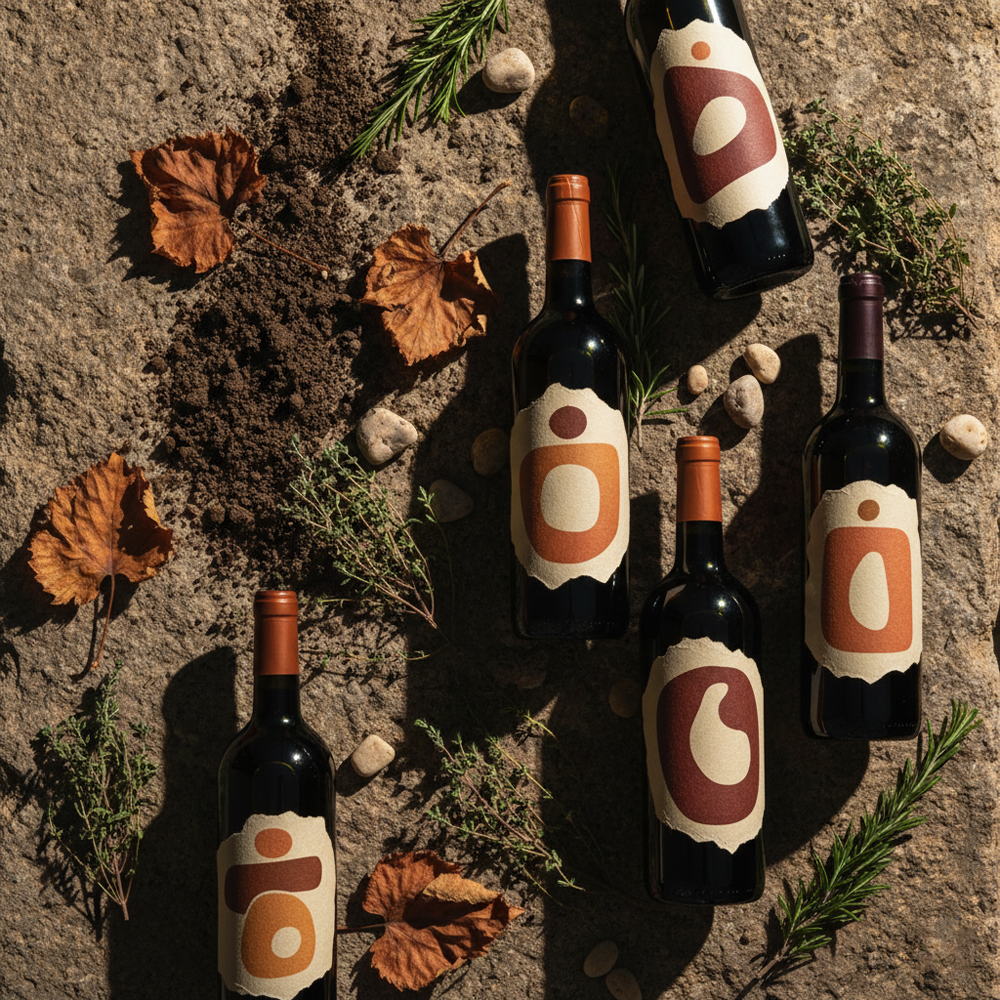
From small Italian wineries to lesser-known native grape varieties: a selection designed for those who want to drink something different from the usual names.
Why lesser-known labels also work online
Those looking for wine online do not always want to buy the most famous bottle. Often they are looking for an idea, an alternative, a story to bring to the table. Queries such as “particular Italian wines”, “native grape varieties to try”, “small Italian wineries”, “minor denominations” or “niche wines” indicate a clear intention: to find something different, but still reliable.
For this reason, a well-built editorial selection has value. It is not enough to load products into a category: you need to explain why those bottles deserve attention, what makes them different, how to pair them and in which context to choose them.
The Wines to Discover page can become an entry point for those who want to explore Italian wine beyond the most commercial names, with a selection oriented towards less obvious grape varieties, territories and wineries.
Frequently asked questions about native grape varieties and small wineries
What are niche wines?
Niche wines are bottles produced in limited quantities, often by small wineries or from little-known native grape varieties. They stand out for territorial identity, less standardisation and a strong bond with the production area.
Which Italian native grape varieties are less known?
Among the lesser-known native grape varieties are Coda di Volpe, Coda di Pecora, Timorasso, Nas-Cëtta, Verduzzo, Raboso, Piedirosso, Susumaniello, Passerina and Pecorino. These are grapes linked to specific territories and often less present in large-scale retail.
Why choose wines from small wineries?
Wines from small wineries allow you to discover less beaten territories, more limited productions and less standardised styles. They are suitable for those looking for bottles with greater identity and a more recognisable production story.
What kind of wine is Coda di Volpe?
Coda di Volpe is a Campanian white grape variety, known for its elongated bunch shape. It produces fresh, savoury and Mediterranean wines, often suitable for fish, vegetables, fresh cheeses and Campanian cuisine.
What does Verdicchio dei Castelli di Jesi Classico mean?
The Classico mention indicates wines made from grapes harvested in the oldest original area of the Verdicchio dei Castelli di Jesi denomination. It is a useful indication for recognising bottles more closely linked to the historic area of Marche.
What are Vigneti delle Dolomiti IGT?
Vigneti delle Dolomiti IGT is a geographical indication that identifies wines produced in an alpine and pre-alpine area, mainly in the provinces of Trento, Bolzano and Belluno. It includes different types, including whites, reds, rosés, semi-sparkling wines, passito wines and sparkling wines.
Drinking beyond the usual names: a more personal choice
Discovering lesser-known wines means giving space to a broader and less predictable Italy of wine. It means choosing a Coda di Volpe instead of the usual generic white, trying a Verdicchio with greater awareness, looking at a mountain denomination such as Vigneti delle Dolomiti IGT or letting yourself be intrigued by a small Italian winery.
The most interesting bottles are not always the most famous ones. Sometimes they are the ones that require one more question, one more search, one more curiosity. And that is exactly where wine becomes experience, territory and storytelling again.
The Wines to Discover collection is designed for those who want to buy wine online with a more curious and personal approach: fewer obvious labels, more native grape varieties, small wineries and Italian denominations to get to know better.
Want to move beyond the usual names? Start with native grape varieties, less beaten denominations and small Italian wineries: that is often where wine becomes truly interesting again.