Difference between red wine glass and white wine glass: practical guide to choosing the right glass
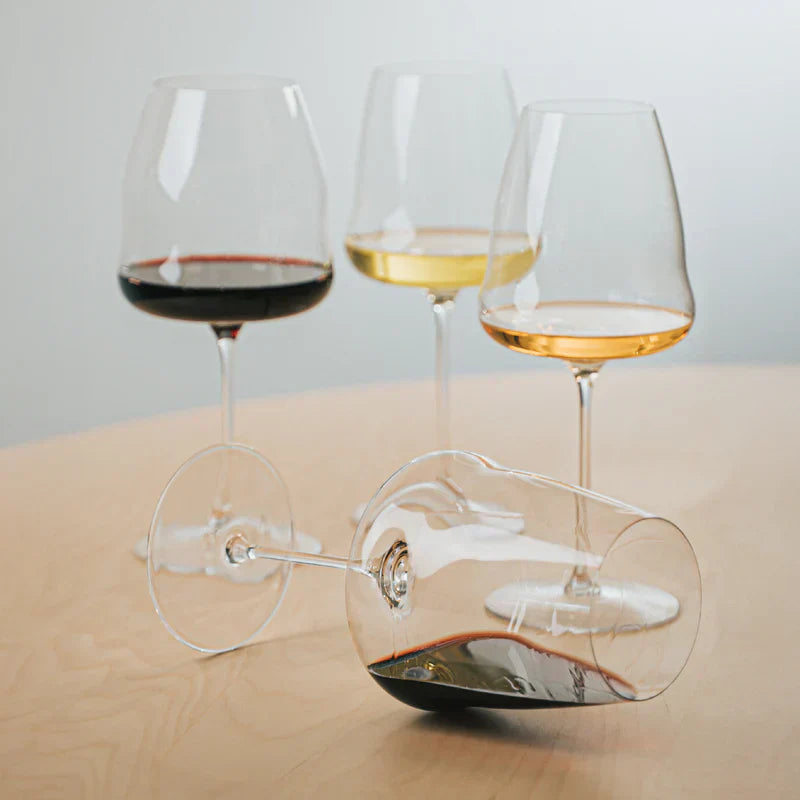
The difference between a red wine glass and a white wine glass is not just aesthetic. Shape, volume, opening and bowl size influence how the wine comes into contact with air, maintains temperature and releases its aromas.
For wine lovers, the glass is not just a container: it is a technical tool. A structured red served in a glass that is too narrow can seem closed, alcoholic and not very expressive. A fresh white served in a glass that is too wide can warm up quickly and lose aromatic precision.
In this Alberoshop.it guide, we look at the real difference between red and white wine glasses, when to use them, which shapes to choose and how to build a small “glass cellar” suitable for home tasting, everyday tables and special occasions.
Basic rule: red wine needs space to breathe, white wine needs control to maintain freshness, temperature and delicate aromas.
Why the shape of the glass changes the tasting experience
The glass influences three fundamental aspects of tasting: oxygenation, temperature and the direction of the wine on the palate. This is why red wine glasses and white wine glasses have different proportions.
A wide bowl increases contact between wine and air, helping aromas open up and evolve. A narrower bowl, on the other hand, limits aroma dispersion and helps keep the wine cooler for longer.
The rim of the glass is also important: a wider opening makes it easier to perceive intense and complex aromas, while a more enclosed shape concentrates floral, fruity and mineral aromas towards the nose.
Red wine glass: wider to oxygenate and enhance structure and tannins
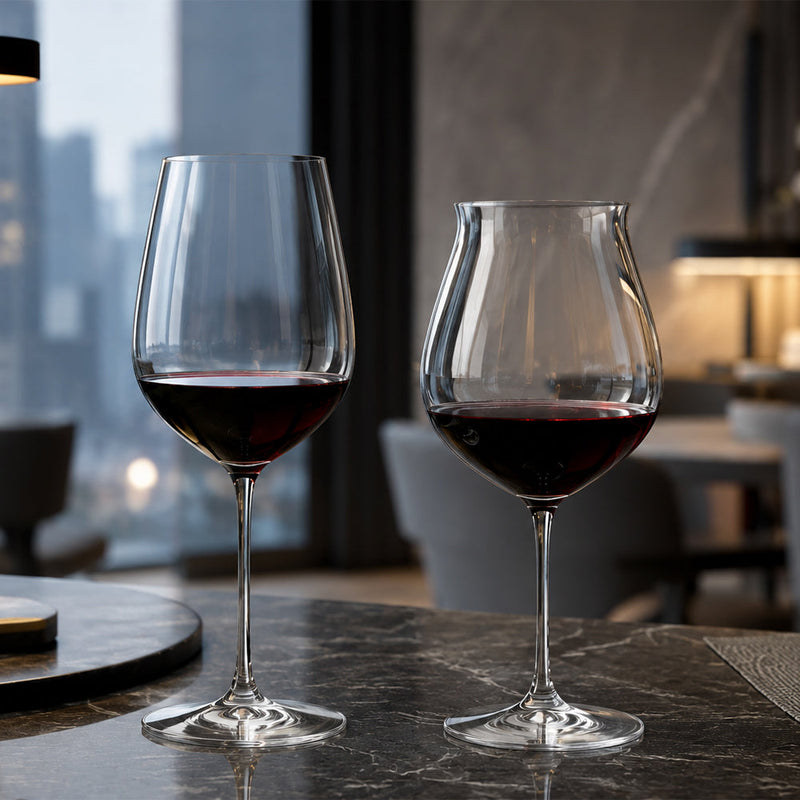
The red wine glass is generally larger, rounder and wider than a white wine glass. This shape allows the wine to come into greater contact with oxygen, encouraging the aromatic bouquet to open and softening the perception of tannins.
Red wines, especially young, structured or important ones, often need space to express themselves. A wide glass makes it easier to swirl the wine and helps release complex aromas such as ripe fruit, spices, leather, tobacco, cocoa, undergrowth or balsamic notes.
Main characteristics of a red wine glass
- Wide bowl: encourages contact between wine and air.
- Larger volume: allows the wine to oxygenate without overfilling the glass.
- More generous opening: helps perceive intense and complex aromas.
- Space for swirling: allows the wine to move without spilling.
- Long stem: avoids warming the wine with the heat of the hand.
These glasses are suitable for wines such as Nebbiolo, Barolo, Barbaresco, Brunello di Montalcino, Chianti Classico, Amarone, Cabernet Sauvignon, Merlot, Syrah, Aglianico and structured Primitivo.
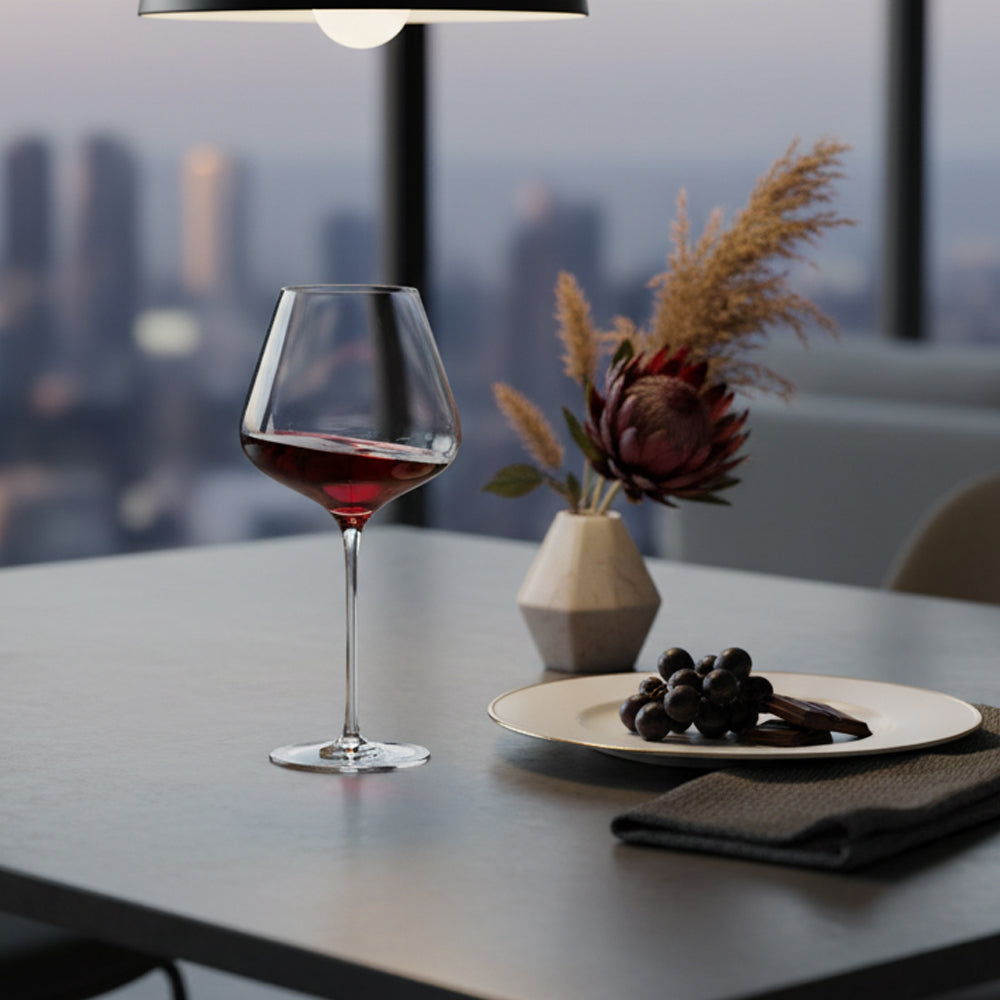
For red wines, choose wide and rounded glasses: they help the wine breathe, enhance structure and tannins and make the complex aromas of important reds easier to read.
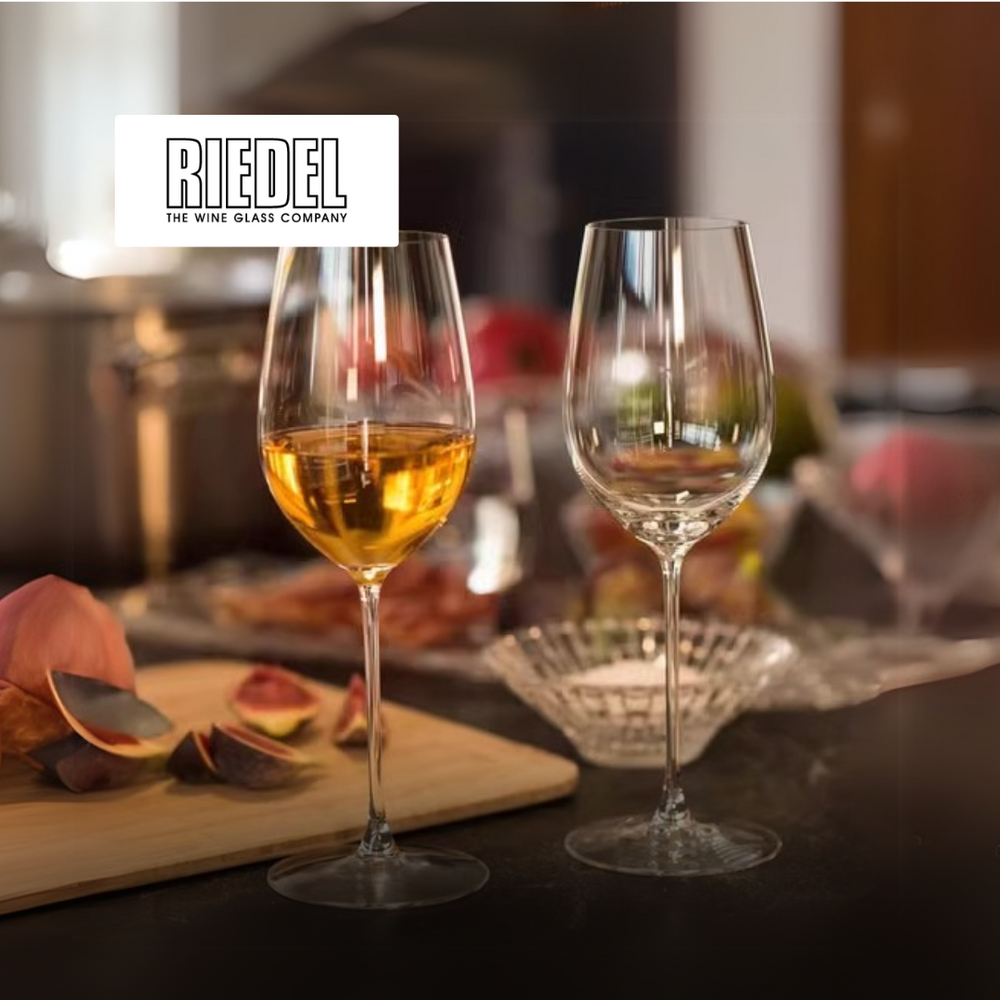
White wine glass: narrower to preserve freshness and aromas
The white wine glass is usually smaller, more slender and more enclosed. Its main function is to preserve freshness, acidity and primary aromas, preventing the wine from warming too quickly or dispersing its more delicate scents.
White wines often play on floral, citrus, fruity, mineral or herbaceous notes. A bowl that is too wide can make these aromas evaporate quickly and increase the temperature of the wine in the glass. This is why a white wine glass tends to have a tulip shape, with a narrower bowl and controlled opening.
Main characteristics of a white wine glass
- Smaller bowl: limits exposure to air.
- Tulip shape: concentrates aromas towards the nose.
- Medium volume: allows smaller and more frequent pours.
- Narrower opening: protects the most delicate aromas.
- Long stem: helps avoid warming the wine with the hand.
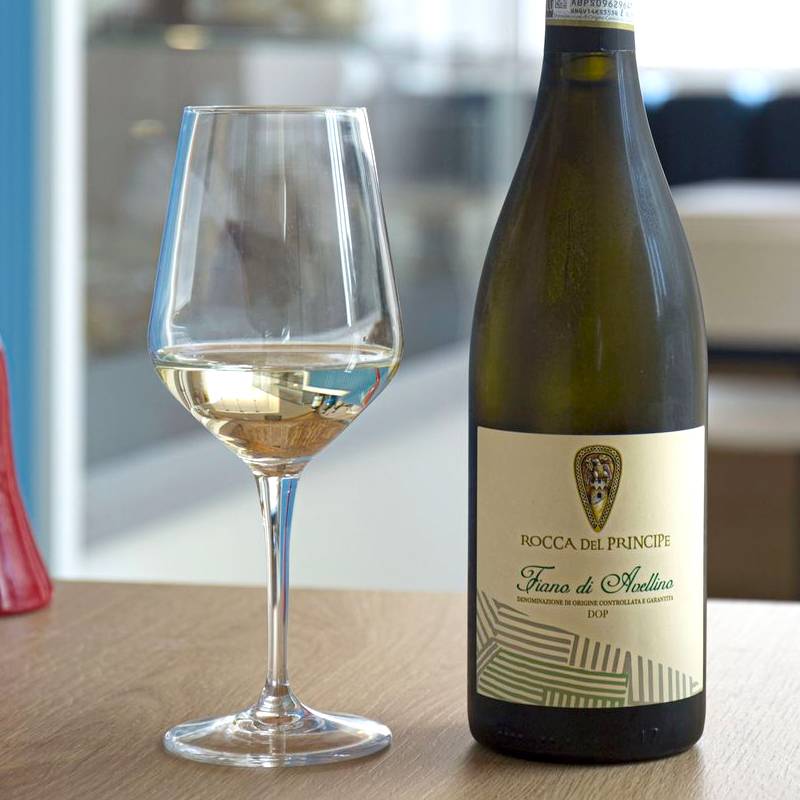
These glasses are suitable for wines such as Sauvignon Blanc, Pinot Grigio, Vermentino, Fiano, Greco, young Chardonnay, Gewürztraminer, Riesling, Falanghina and fresh or aromatic whites.
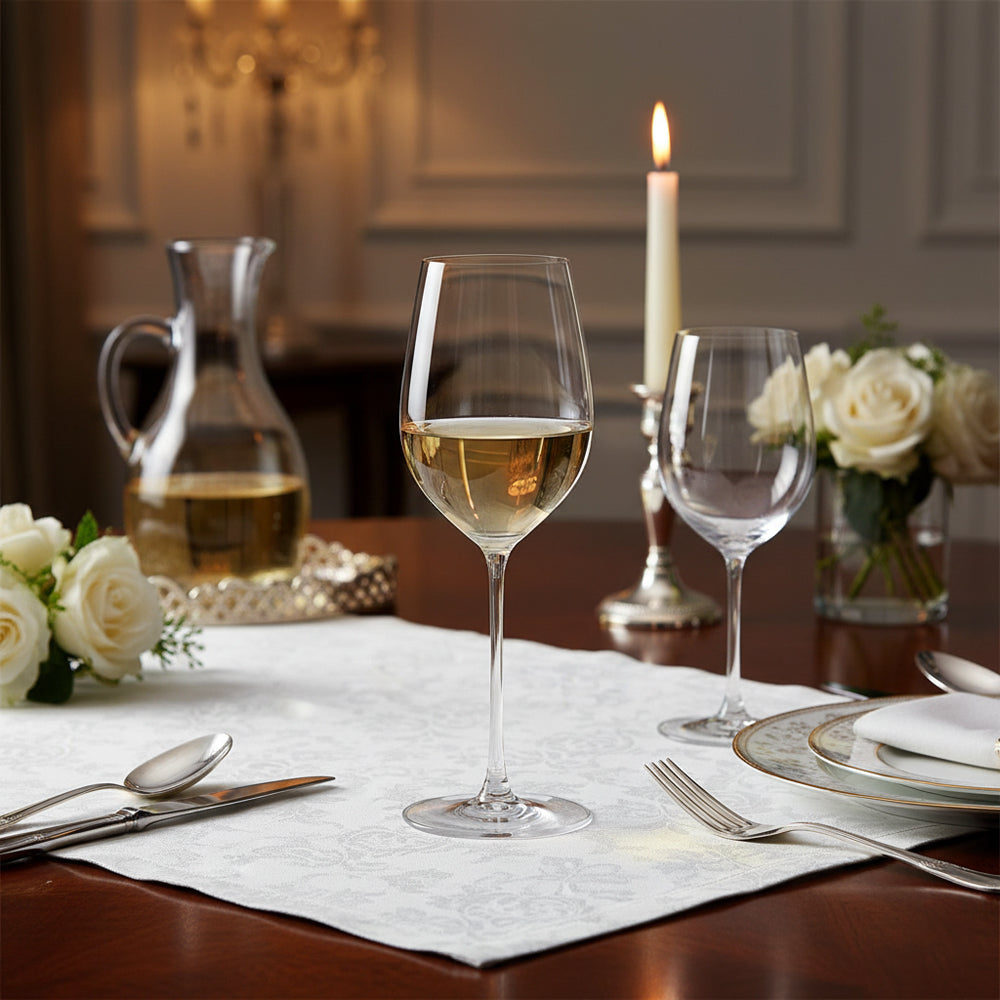
For white wines, choose narrower, more enclosed glasses: they help maintain freshness, temperature and floral, citrus and mineral aromas from the first to the last sip.
Difference between red and white wine glass: quick comparison
| Feature | Red wine glass | White wine glass |
|---|---|---|
| Bowl volume | Wide and generous | Medium or contained |
| Shape | Rounded, wide, with space to swirl the wine | Slender, enclosed, often tulip-shaped |
| Contact with air | Greater, to encourage oxygenation and aromatic evolution | More controlled, to protect freshness and aromas |
| Sensory focus | Body, tannin, structure, complexity | Acidity, freshness, minerality, floral and fruity aromas |
| Temperature | Less critical than whites, but still needs control | Fundamental: the glass helps prevent the wine from warming too much |
| Recommended wines | Nebbiolo, Sangiovese, Cabernet, Merlot, Syrah, Amarone | Sauvignon, Vermentino, Fiano, Greco, Chardonnay, Riesling |
Do you really need different glasses for red and white wine?
Yes, if you want to taste wine more correctly. You do not need a glass for every grape variety, but having at least one set of red wine glasses and one set of white wine glasses allows you to better enhance very different bottles.
An important red served in a glass that is too small can appear closed, harsh and dominated by alcohol. A fresh white served in a glass that is too wide can quickly lose temperature and aromatic precision. The difference is especially noticeable with good-quality wines, where aromas, structure and acidity are central elements of the experience.
You do not need dozens of different glasses: to start well, two correct sets are enough, one for reds and one for whites. It is the simplest way to immediately improve wine service.
Which glass to use depending on the type of red wine
Not all reds need the same glass. The general rule is simple: the more structured, complex and tannic the wine, the more the glass should offer space and oxygenation.
Young and fruity reds
For young, fresh and not overly tannic red wines, such as some Merlot, young Chianti, Dolcetto or everyday reds, a medium-sized red wine glass may be enough. The aim is to enhance the fruit without dispersing the aroma too much.
Structured and tannic reds
For Barolo, Brunello, Amarone, Cabernet Sauvignon, Syrah, Aglianico and important reds, a wider glass is preferable, capable of encouraging oxygenation and aromatic opening.
Evolved or aged reds
For mature red wines, it is best to choose wide glasses that are not excessively open, able to enhance delicate tertiary aromas without dispersing them too quickly.
Which glass to use depending on the type of white wine
White wines are not all the same either. A fresh and young white requires a different glass from an oaked Chardonnay or a structured white wine with long ageing.
Fresh and aromatic whites
For Sauvignon Blanc, Vermentino, Pinot Grigio, Falanghina, young Riesling and citrusy whites, a tulip-shaped glass that is not too large is suitable, capable of preserving freshness and aromas.
Structured whites
For oaked Chardonnay, evolved Fiano, important Greco or wood-aged whites, a slightly wider glass than the classic white wine glass can be useful. This way the wine has more space to open without losing balance.
Sweet or passito whites
For sweet wines, passito wines or dessert wines, smaller glasses are used, capable of concentrating intense aromas and serving smaller quantities, consistent with the wine’s sugar structure.
Material and thickness: why they matter when choosing a glass
In addition to shape, material and thickness also affect the quality of tasting. A thin, transparent glass allows more direct contact with the wine, improves the sensation on the sip and enhances colour, clarity and texture.
Superior sound glass and crystal are often chosen for their brilliance, lightness and fine rim. The less material there is between lips and wine, the more precise and natural the tasting feels.
For everyday use, it is important to find a balance between elegance and practicality: glasses that are too delicate may be less suitable for frequent washing or very informal tables, while good-quality yet resistant glasses are more versatile.
Mistakes to avoid when choosing wine glasses
- Using the same glass for everything: convenient, but not very effective if you want to enhance different wines.
- Overfilling the glass: reduces the space needed to oxygenate and swirl the wine.
- Holding the glass by the bowl: warms the wine and leaves fingerprints on the glass.
- Choosing glasses that are too small for important reds: limits aromatic expression.
- Using glasses that are too wide for fresh whites: accelerates warming and disperses aromas.
- Neglecting washing: detergent residues or streaks can alter aromas and visual perception.
How to build an essential wine glass set
For a home, a curated table or a small personal wine cellar, there is no need to buy dozens of models. An essential setup can be built with a few well-chosen sets.
- A set of red wine glasses: wide, versatile, suitable for young and structured reds.
- A set of white wine glasses: narrower and more slender, suitable for fresh and aromatic wines.
- A set for sparkling wines: modern flutes or sparkling wine glasses, to enhance perlage and aromas.
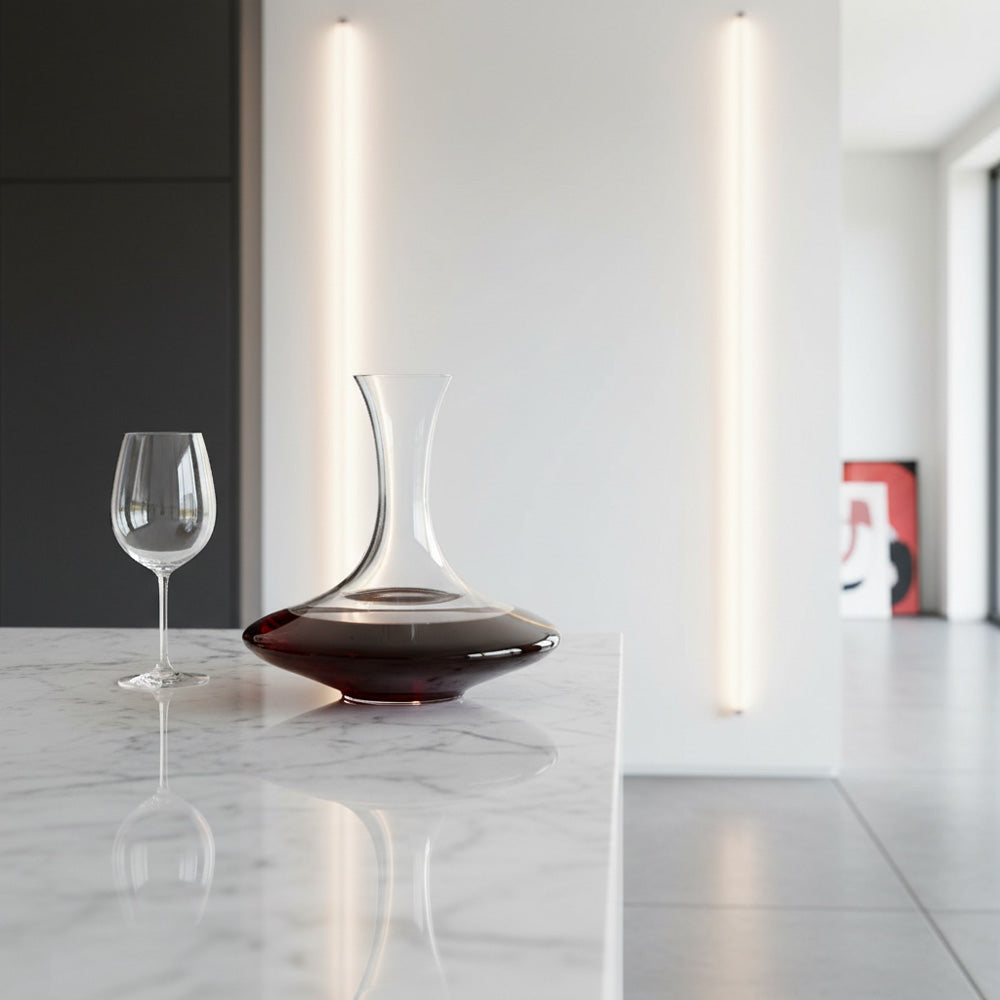
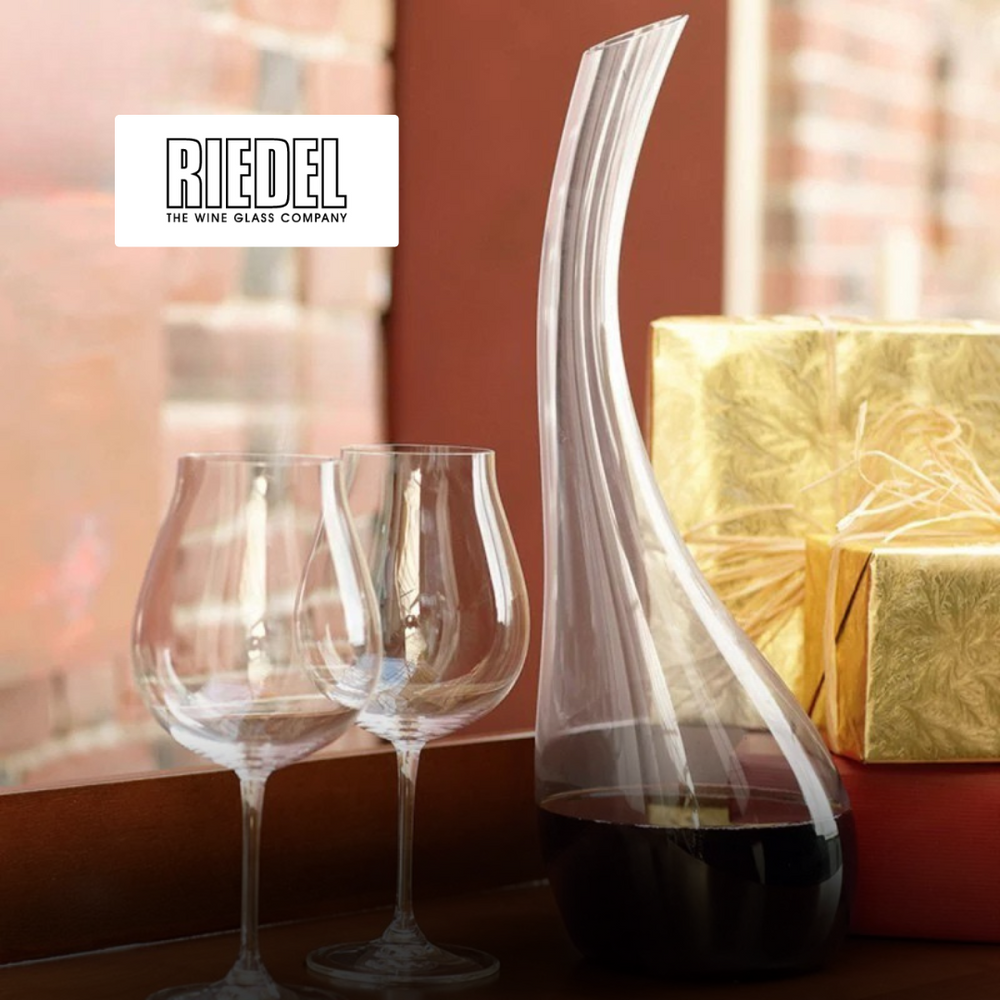
- A decanter: useful for structured reds or mature wines with sediment.
If you want to start from the basics, the first step is to choose two distinct sets: one for reds and one for whites. From there, you can add specific glasses for sparkling wines, technical tasting or important wines.
The role of the decanter for important red wines
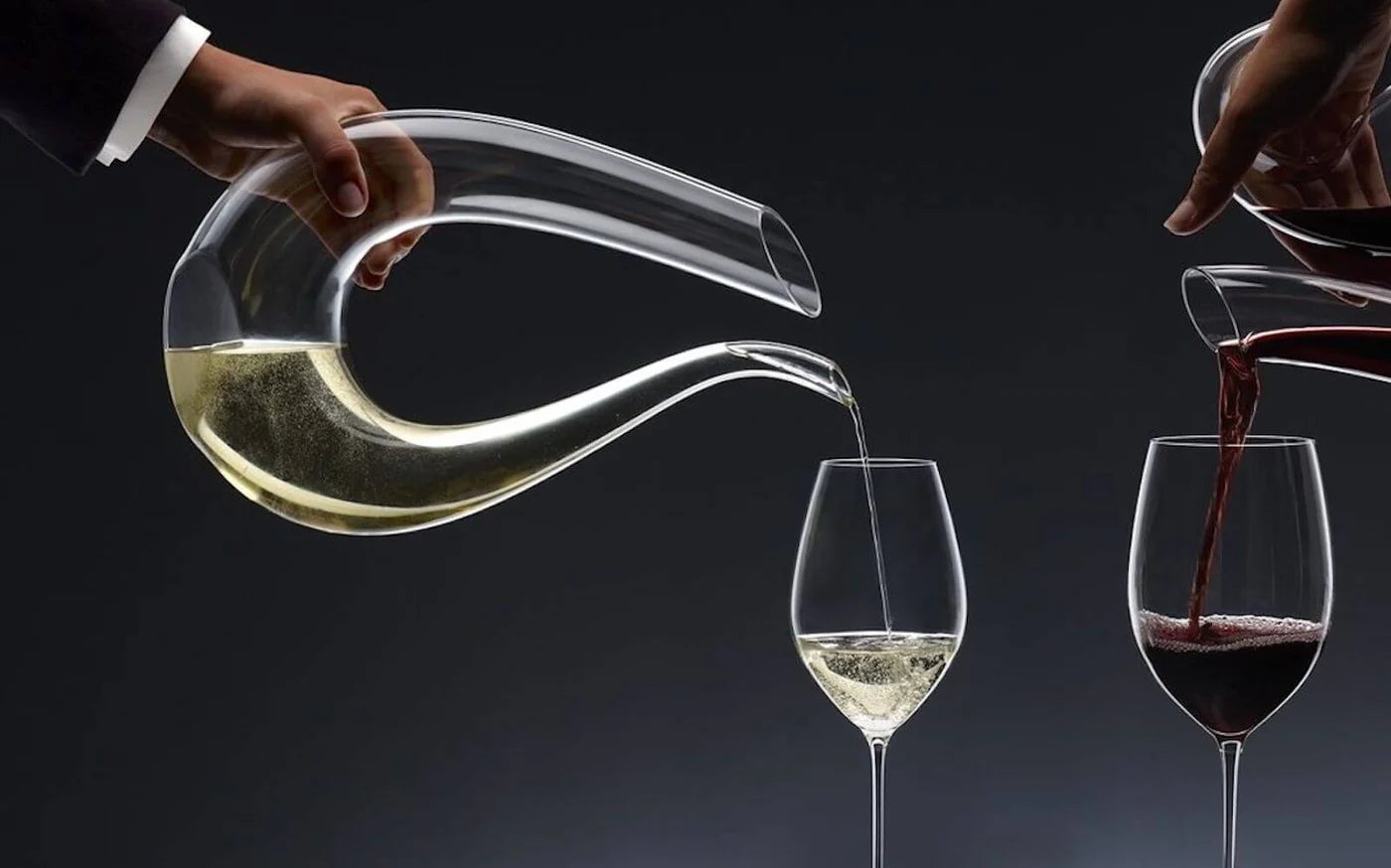
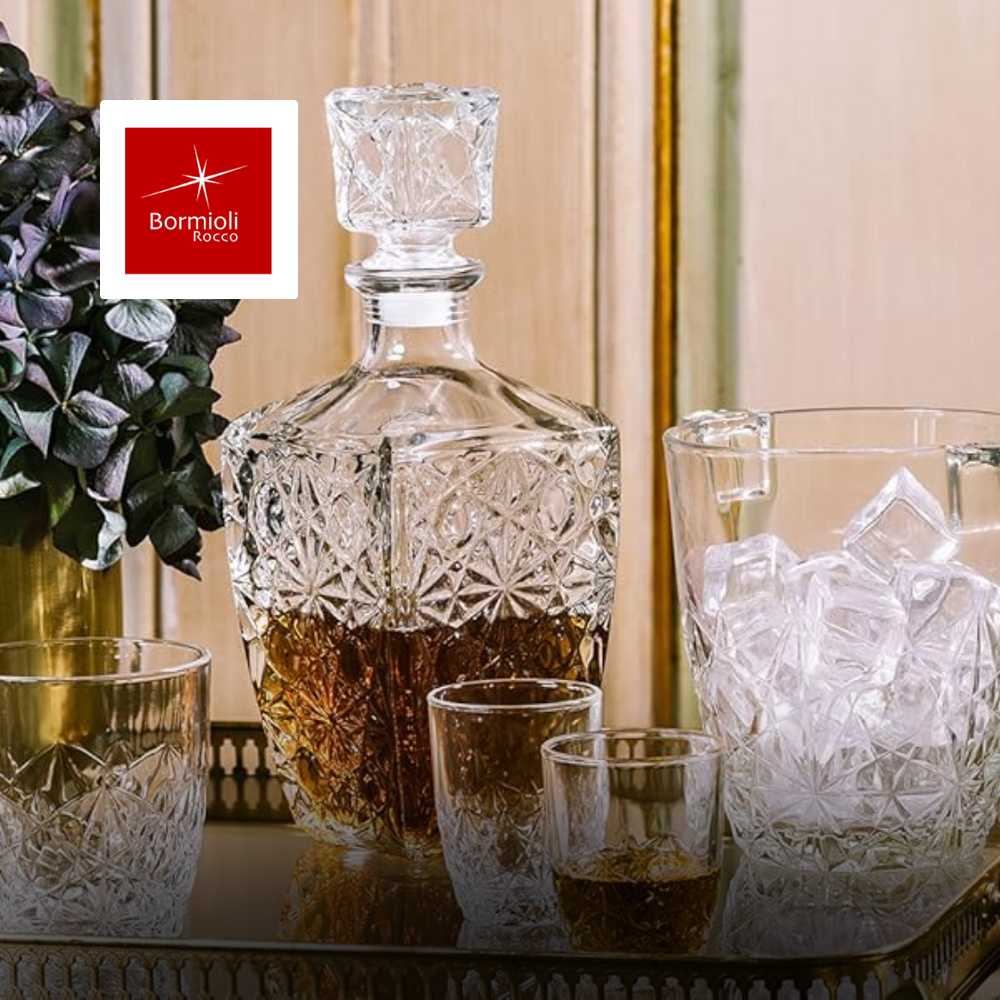
For some bottles, the right glass is not enough. Young, very tannic red wines or wines that have spent a long time in the bottle can benefit from proper oxygenation before serving. In these cases, the wine decanter helps the wine open up and reach a more harmonious balance in the glass.
The decanter is particularly useful with structured reds, important ageing wines or bottles with sediment. Used correctly, it improves the cleanliness of service and enhances the work of the glass.
For great reds, glass and decanter work together: the decanter prepares the wine, the glass enhances it at the moment of tasting.
Frequently asked questions about red and white wine glasses
What is the main difference between a red wine glass and a white wine glass?
A red wine glass is wider and rounder to encourage oxygenation, aroma development and tannin management. A white wine glass is narrower and more enclosed to preserve freshness, temperature and delicate aromas.
Can I use a red wine glass for white wine?
You can, but it is not always ideal. For structured whites, a slightly wider glass can work, while for fresh and aromatic whites a red wine glass may cause the wine to warm too quickly and disperse its aromas.
Can I use a white wine glass for red wine?
For light and young reds it may be acceptable, but for structured, tannic or aged reds, a white wine glass is too narrow and limits oxygenation, making the wine less expressive.
How much wine should be poured into the glass?
In general, the glass should never be overfilled. For red wine, enough space should be left to swirl the glass and encourage oxygenation. For white wine, smaller pours are preferred, so the wine stays fresh for longer.
Which glass should you choose to start?
To start, it is advisable to have a set of medium-width red wine glasses and a set of tulip-shaped white wine glasses. These are the two most versatile basics for serving most wines correctly.
Is the stem of the glass really important?
Yes. The stem allows you to hold the glass without warming the wine with your hand and without leaving fingerprints on the bowl. It is especially important for whites, rosés and sparkling wines, but also useful for reds.
Conclusion: the right glass truly enhances the wine
The difference between a red wine glass and a white wine glass comes from precise technical needs. Red wine needs space, oxygenation and a bowl capable of enhancing body and tannins. White wine requires control, freshness and a shape that protects aromas and temperature.
You do not need a different glass for every grape variety, but distinguishing at least between red and white wine glasses is the first step to serving wine better at home, during a dinner or in a tasting.
On Alberoshop.it you will find a dedicated selection of red wine glasses, white wine glasses and decanters to build a more conscious, elegant table suited to every bottle.