Best frying pans: complete guide to choosing between non-stick, stainless steel and cast iron
Choosing the best frying pans does not mean buying the most expensive or most advertised model. It means understanding which material best suits your way of cooking, the hob you use and the type of recipes you prepare most often.
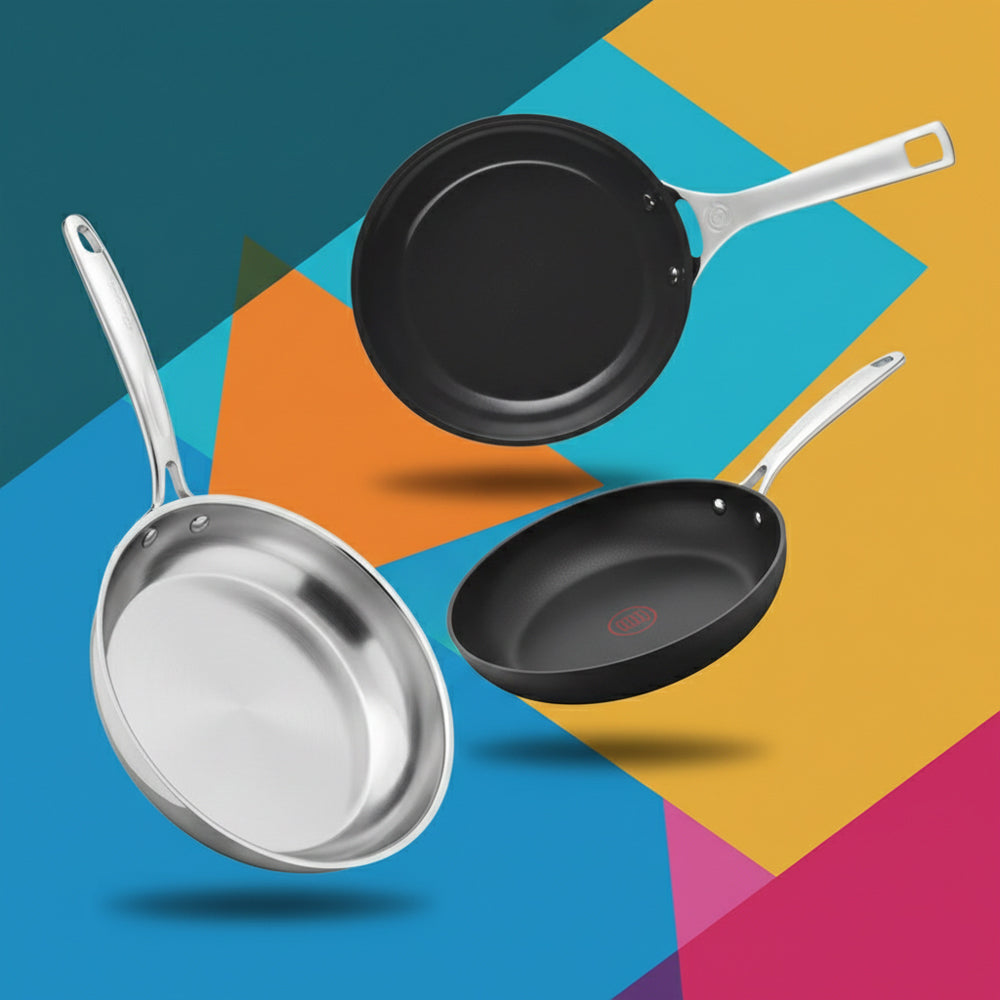
A non-stick pan is practical for everyday use, a stainless steel pan is ideal for searing and obtaining intense cooking juices, while a cast iron pan retains heat excellently and is perfect for slower, more intense and even cooking. There is therefore no universal pan: there is the right pan for every need.
In this Alberoshop.it guide, we analyse the main types of frying pans, the most common materials, the real advantages, the mistakes to avoid and some recommended models for those looking for reliable tools for home cooking, advanced use or professional contexts.
The basic rule is simple: non-stick for practicality, stainless steel for technique, cast iron for intense and constant heat. The ideal set comes from combining different materials, not choosing just one.
How to choose a frying pan: the criteria that really matter
Before choosing a frying pan, it is worth evaluating five key elements: material, coating, hob compatibility, base thickness and the type of maintenance required.
1. Material
The material affects heat distribution, weight, responsiveness, durability and cooking type. Aluminium, stainless steel and cast iron behave very differently. Aluminium is light and conducts heat well; stainless steel is resistant, stable and suitable for high temperatures; cast iron stores heat and releases it slowly.
2. Coating
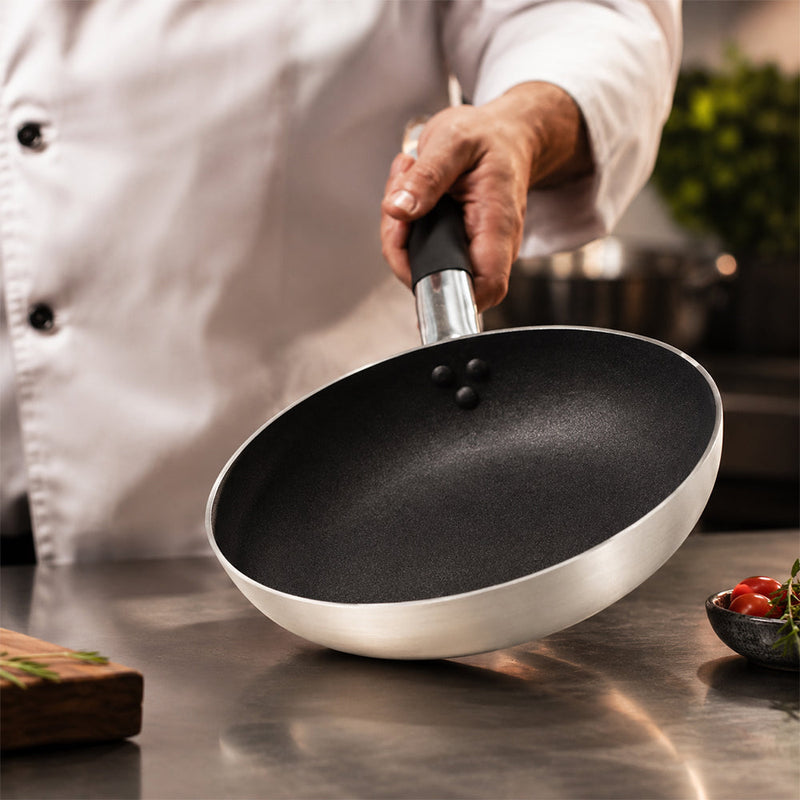
Non-stick pans have a technical coating that reduces food adhesion and allows cooking with less fat. They are convenient, but require more care: non-metal utensils, gentle washing and no thermal shocks.
3. Compatibility with induction, gas, ceramic and electric hobs
Those who use an induction hob must check that the pan has a compatible magnetic base. Stainless steel and cast iron are often naturally suitable, while aluminium must have a specific induction base.
4. Thickness and base
A pan that is too thin tends to deform and distribute heat unevenly. A more structured base improves stability, temperature control and cooking quality.
5. Maintenance
A good pan lasts longer if used correctly. Stainless steel better tolerates utensils and high temperatures; non-stick must be protected; cast iron, even when enamelled, requires attention to gradual heating and washing.
Non-stick pans: everyday practicality and delicate cooking
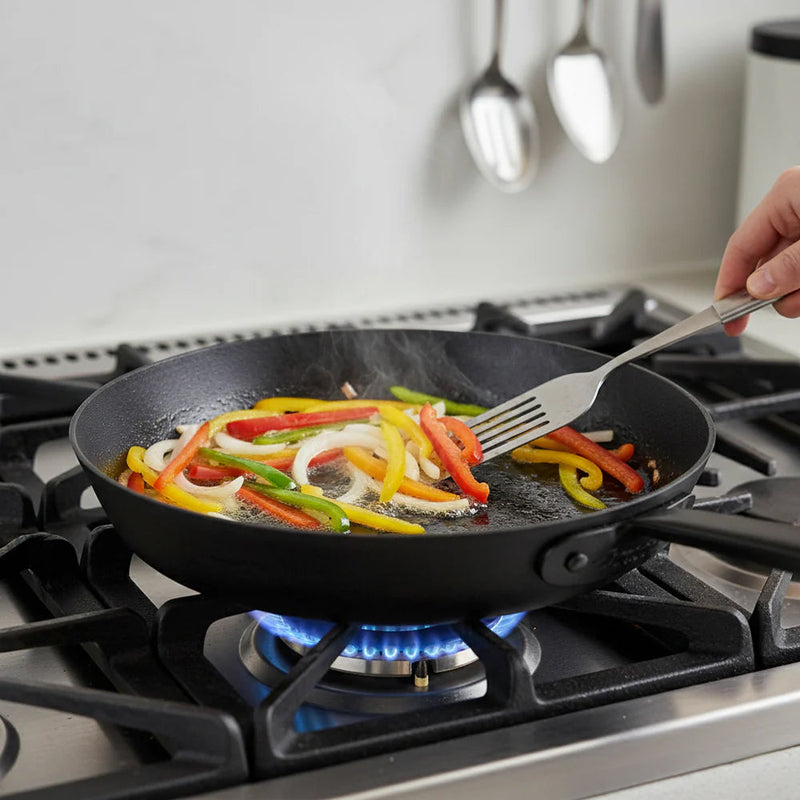
Non-stick pans are among the most used in Italian kitchens because they meet a concrete need: cooking simply, quickly and with little fat. They are ideal for eggs, omelettes, pancakes, crêpes, delicate fish, light vegetables and recipes that tend to stick easily to the base.
Their strength is ease of use. Even those with little cooking experience can manage quick preparations without burning or breaking food. This is why they are often the first choice for everyday cooking.
The main limitation is the durability of the coating. A quality non-stick pan can offer excellent performance, but it must be treated with care: no metal utensils, no cutting directly in the pan, no overheating when empty and no immediate contact with cold water while still hot.
When to choose a non-stick pan
- For cooking with little fat.
- For delicate foods such as eggs, fish, cheese and soft mixtures.
- For quick and practical everyday use.
- For those looking for an easy-to-clean pan.
- For those who want a versatile solution to use every day.
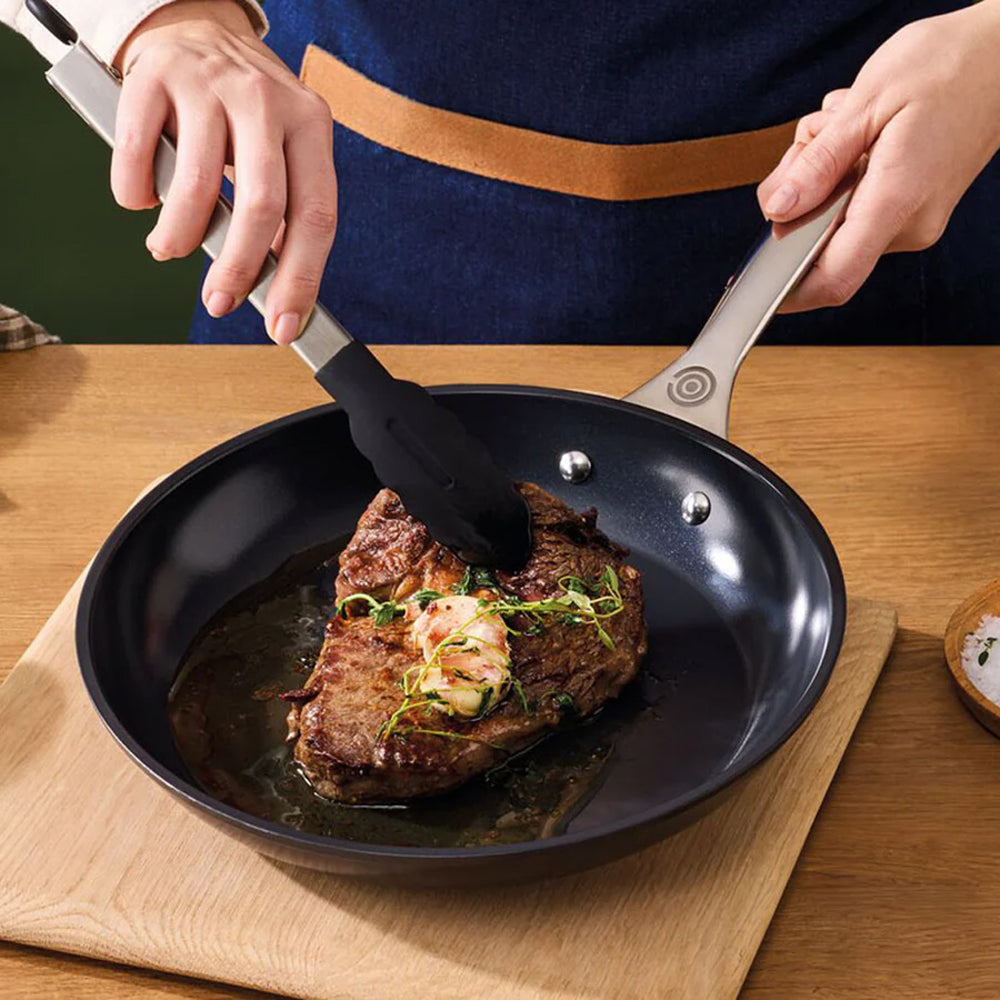
For those looking for a solid and refined non-stick pan, Le Creuset Essential combines a stainless steel structure with a ceramic non-stick coating: a choice suitable for everyday cooking, but with higher-level finishes.
Recommended solutions include the Le Creuset Essential Low Non-Stick Pan with Ceramic Coating, suitable for those who want a low, elegant and practical pan for everyday preparations.
Another interesting alternative is the Agnelli AlBlack 1907 High Induction Pan in 3 mm Non-Stick Aluminium, designed for those looking for lightness, fast heat conduction and compatibility with induction hobs.
To compare more models, you can consult the complete selection of non-stick pans on Alberoshop.it, with solutions suitable for different cooking needs.
Stainless steel pans: control, searing and long-lasting durability
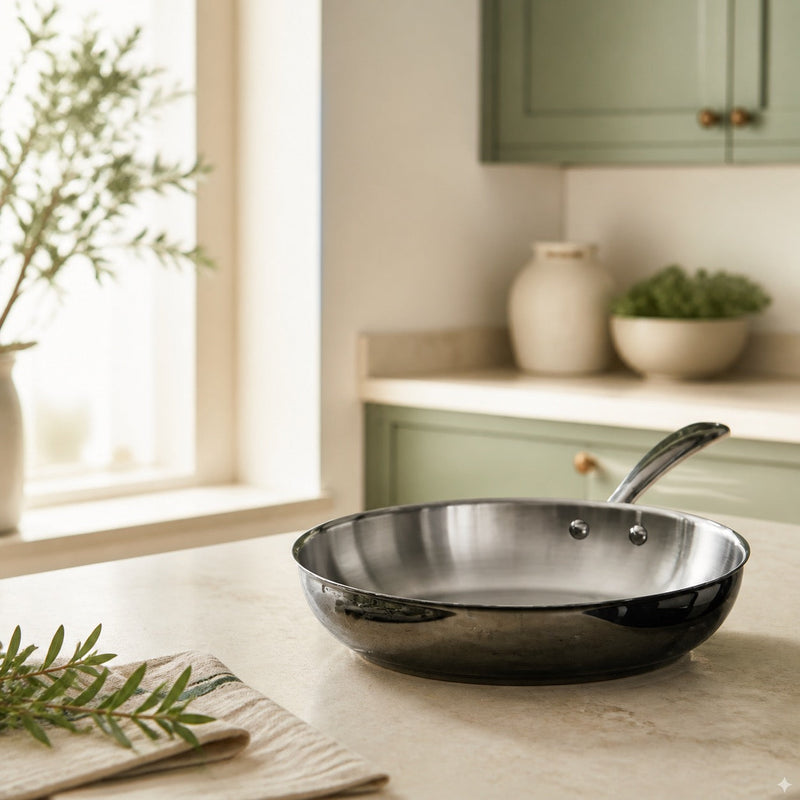
Stainless steel pans are chosen by those looking for more technical performance. They are resistant, durable, stable at high temperatures and suitable for searing meat, firm fish, vegetables and preparations that require rich cooking juices.
Unlike non-stick pans, stainless steel is not designed to completely prevent adhesion. On the contrary, when used correctly, it allows the Maillard reaction to develop: the golden, tasty crust that characterises meats, roasts, escalopes, sautéed vegetables and restaurant-style preparations.
To use a stainless steel pan properly, it is important to heat it correctly. The basic technique is simple: preheat the pan, add fat when the base is hot, then add the food without moving it immediately. When searing is correct, the food tends to release more easily.
When to choose a stainless steel pan
- For searing meat, chicken, firm fish and vegetables.
- For obtaining cooking juices to deglaze with wine, stock or other liquids.
- For medium-high temperature cooking.
- For those looking for a resistant and durable tool.
- For those who want to improve their cooking technique.
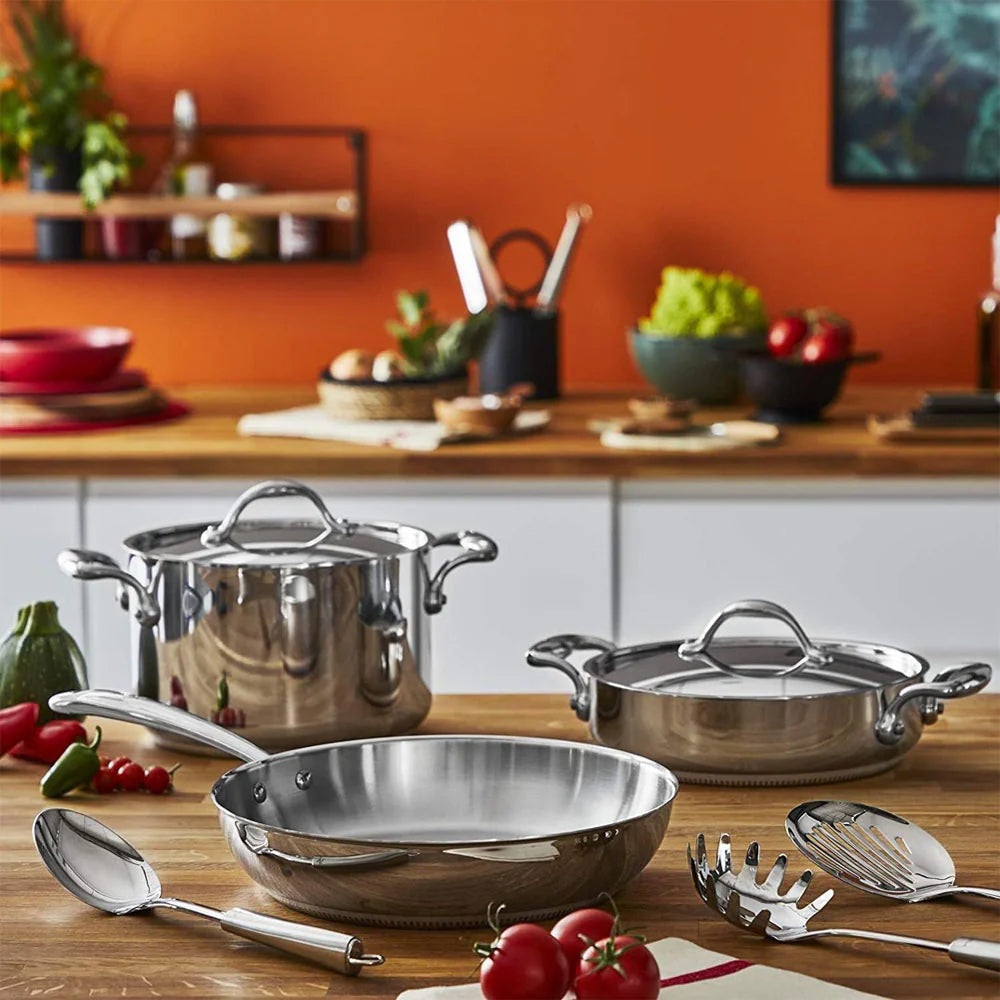
Lagostina Accademia Lagofusion is suitable for those who want to move from purely practical cooking to a more technical approach: stainless steel, advanced base and excellent heat management even for more precise searing and preparations.
The Lagostina Accademia Lagofusion High Induction Stainless Steel Pan is a recommended choice for those looking for a high-performance, stable pan suitable for more technical cooking. Its strength lies in heat management, useful not only on the base but also throughout the cooking process.
Stainless steel pans are particularly suitable for those who often cook main courses, white meats, fillets, crunchy vegetables or recipes involving deglazing and cooking juices. They require more technique than non-stick pans, but offer greater control and superior durability.
For other models, you can visit the selection of stainless steel pans available on Alberoshop.it.
Cast iron pans: intense heat, even cooking and great stability
Cast iron is one of the most appreciated materials by those looking for intense and even cooking. A cast iron pan retains a lot of heat and releases it slowly, allowing stable cooking even when cold or thick foods are added.
It is particularly suitable for steaks, burgers, grilled vegetables, potatoes, oven cooking and preparations that require constant temperature. Compared with aluminium, it is heavier and less responsive, but offers superior thermal performance.
Vitrified or enamelled cast iron has a practical advantage: it does not require the same treatment as raw cast iron and is easier to manage in domestic use. However, it is still important to avoid thermal shocks, drops and sudden temperature changes.
When to choose a cast iron pan
- For steaks, griddled meat and intense cooking.
- For grilled vegetables and rustic preparations.
- For moving from hob to oven, when the model allows it.
- For those looking for thermal stability and long durability.
- For those who want a robust pan that can also be brought to the table.
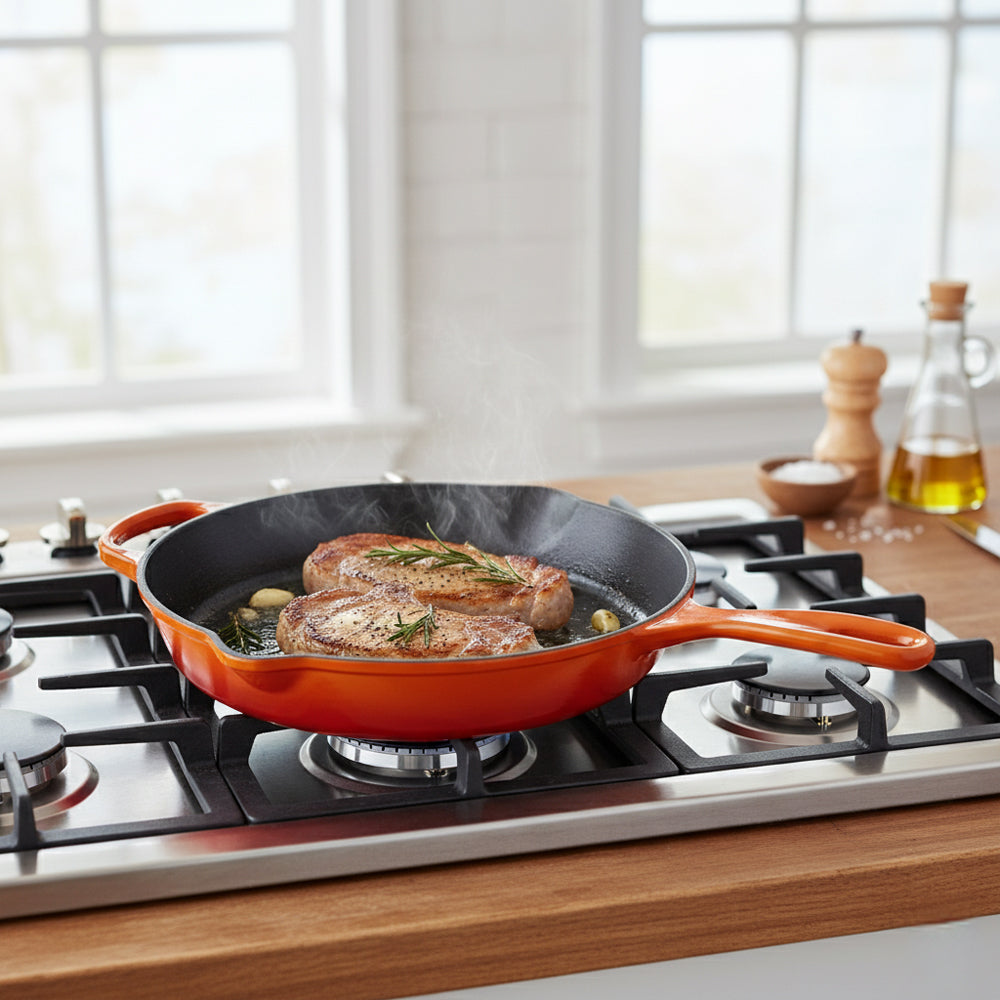
Vitrified cast iron is the right choice when you want stable heat, intense browning and a pan capable of performing well even in more decisive cooking. Ideal for meat, vegetables and oven preparations.
The Le Creuset Evolution 26 cm Vitrified Cast Iron Low Pan with Double Spout is a suitable solution for those looking for high performance, refined aesthetics and a solid pan for intense cooking. The double spout makes it easier to serve sauces, cooking juices and liquid preparations.
Induction pans: what to check before buying
Induction pans must have a base compatible with the magnetic field of the hob. It is not enough for a pan to be high quality: if the base is not suitable, the induction hob may not detect it or may heat it inefficiently.
Stainless steel and cast iron are often compatible with induction, but it is always best to check the product sheet. Aluminium, on the other hand, needs a specific base, generally integrated or applied, capable of correctly activating the hob.
How to understand if a pan is suitable for induction
- Check for the induction symbol.
- Verify that the base is magnetic.
- Make sure the base diameter is compatible with the cooking zone.
- Avoid deformed or overly thin bases.
- Always check the manufacturer's instructions.
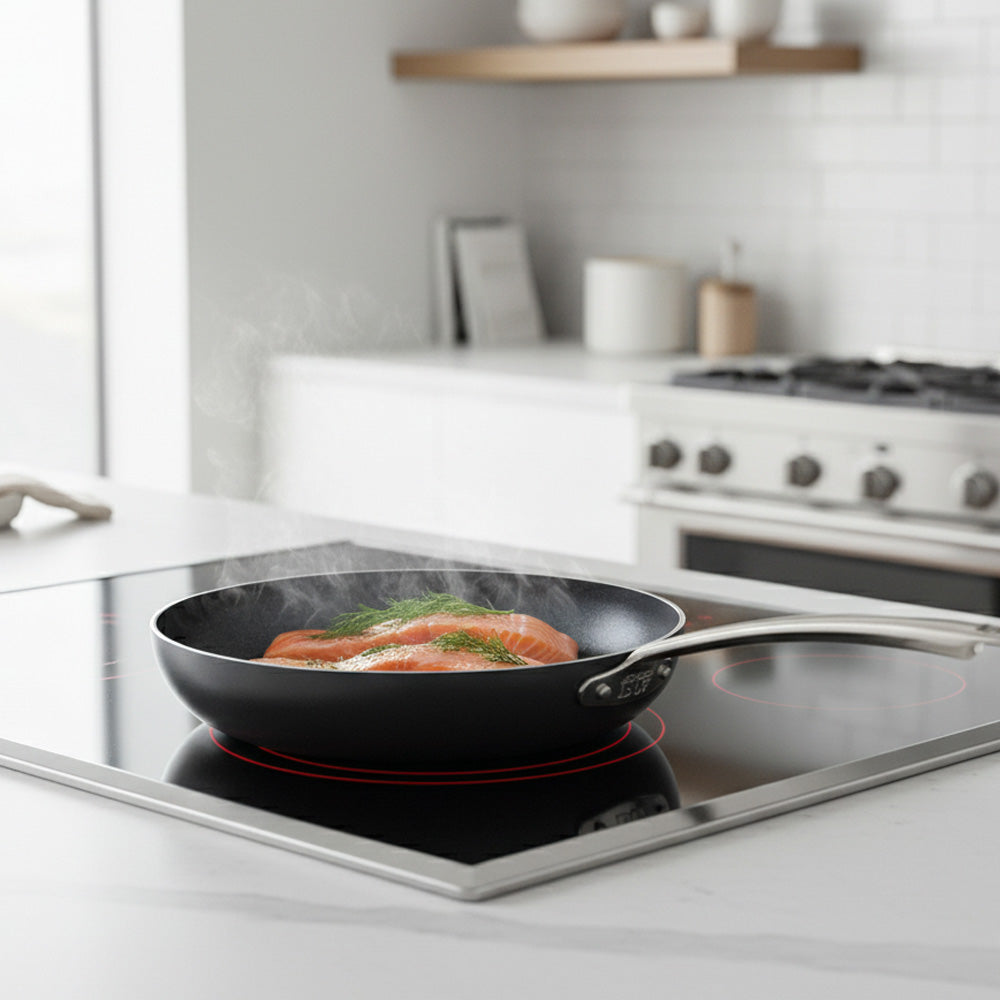
If you are looking for a light, non-stick pan compatible with induction, Agnelli AlBlack 1907 is a concrete solution: 3 mm aluminium, non-stick coating and stainless steel handle for efficient everyday use.
The Agnelli AlBlack 1907 High Induction Pan in 3 mm Non-Stick Aluminium is suitable for those who want a manageable, practical pan that can also be used on modern induction hobs.
Quick comparison: non-stick, stainless steel or cast iron?
| Type of pan | Ideal for | Strengths | Care required |
|---|---|---|---|
| Non-stick | Eggs, fish, pancakes, light vegetables, everyday use | Easy to use, requires little fat, simple cleaning | Do not use metal utensils, avoid thermal shocks and overheating |
| Stainless steel | Meat, searing, sautéed vegetables, cooking juices | Resistant, durable, suitable for high temperatures | Requires preheating and more technique |
| Cast iron | Steaks, oven, intense cooking, grilled vegetables | Great heat retention, even cooking, long durability | Heavier, must be heated gradually and treated with care |
The ideal set: how many pans do you really need?
For a complete home kitchen, there is no need to fill cupboards with duplicates. It is better to build a thoughtful set, with different materials and clear functions. In many cases, three well-chosen pans are enough to cover most everyday preparations.
- A 24 or 28 cm non-stick pan, for eggs, fish, vegetables, quick recipes and everyday use.
- A stainless steel pan, for searing, meats, cooking juices and more technical preparations.
- A cast iron pan, for steaks, oven cooking, intense cooking and foods that require stable heat.
Better three good pans, different from each other, than ten similar and poorly performing pans. A truly smart set combines practicality, technique and thermal performance.
Mistakes to avoid when using a pan
Even a quality pan can be damaged or perform less than expected if used incorrectly. Some mistakes are very common and directly affect product durability.
- Overheating an empty non-stick pan: it can damage the coating and reduce its lifespan.
- Using metal utensils on non-stick: silicone, nylon or wood are preferable.
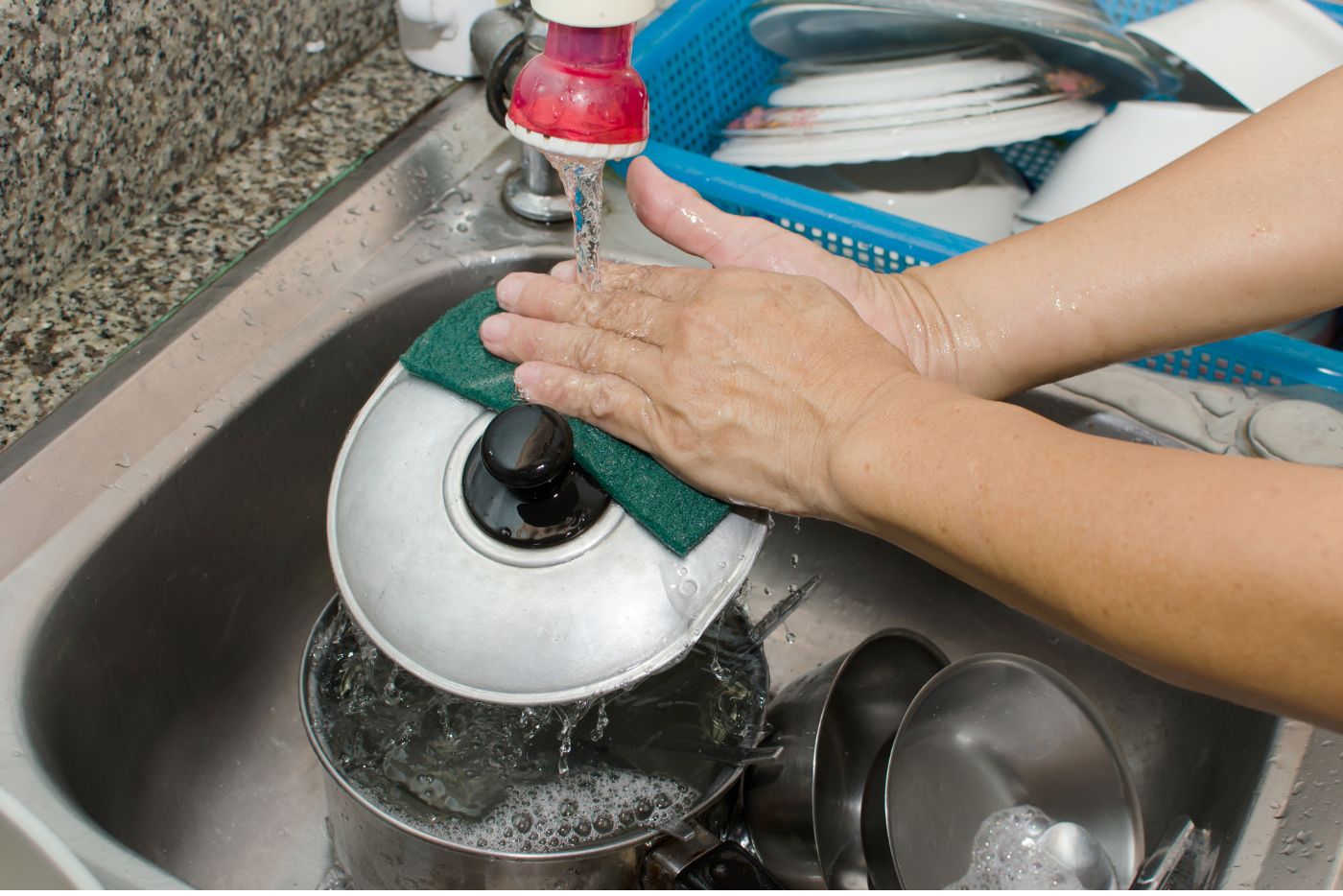
- Washing a hot pan under cold water: thermal shock can deform the base.
- Not preheating stainless steel: increases the risk of food sticking.
- Always using the same pan for everything: different materials serve different results.
Which pan to choose based on your cooking style?
For quick everyday cooking
The most practical choice is a good-quality non-stick pan, preferably compatible with your hob and with a stable base. It is the most convenient solution for those who cook simple and quick dishes every day.
For those who often cook meat and main courses
A stainless steel or cast iron pan is better. Stainless steel is more versatile and technical; cast iron is ideal when intense and constant heat is needed.
For those using an induction hob
You need a pan declared compatible with induction, with a magnetic base and diameter suitable for the cooking zone. Stainless steel, cast iron and some aluminium models with a specific base are the most common options.
For those looking for a durable pan
Stainless steel and cast iron are generally longer-lasting than non-stick pans because they do not depend on a delicate coating. However, they require technique and correct temperature management.
Frequently asked questions about the best frying pans
What is the best pan for everyday cooking?
For everyday use, the most practical solution is a quality non-stick pan, preferably 24 or 28 cm. It is versatile, easy to clean and suitable for many quick preparations.
Is non-stick or stainless steel better?
It depends on the use. Non-stick is simpler and suitable for delicate cooking. Stainless steel is better for searing, meat, sautéed vegetables and more technical preparations.
Is cast iron suitable for induction?
In many cases yes, because cast iron is compatible with induction. However, it is always important to check the manufacturer's specific instructions and the base diameter.
Why does food stick to a stainless steel pan?
This usually happens because the pan has not been preheated correctly or because the food was moved too early. With stainless steel, it is important to wait for searing to form and for the food to begin releasing naturally.
How long does a non-stick pan last?
Durability depends on the quality of the coating and how it is used. Metal utensils, thermal shocks, aggressive washing and overheating significantly reduce the pan’s lifespan.
Conclusion: the best frying pans are the ones suited to your way of cooking
The best frying pans are not all the same and do not meet the same needs. A good non-stick pan simplifies everyday cooking, a stainless steel pan allows more precise searing and a cast iron pan offers stable heat for intense and even cooking.
The most useful advice is to build a balanced set, choosing few but quality tools. This way you cook better, avoid unnecessary duplicates and buy pans truly suited to your habits.
On Alberoshop.it you will find a curated selection of non-stick pans, stainless steel pans, cast iron pans and induction-compatible models, with brands such as Lagostina, Le Creuset and Agnelli.
Explore the complete frying pan collection on Alberoshop.it and choose the model best suited to your kitchen.